Courses & dish types
Pasta recipes
Sauce and shape, matched properly.
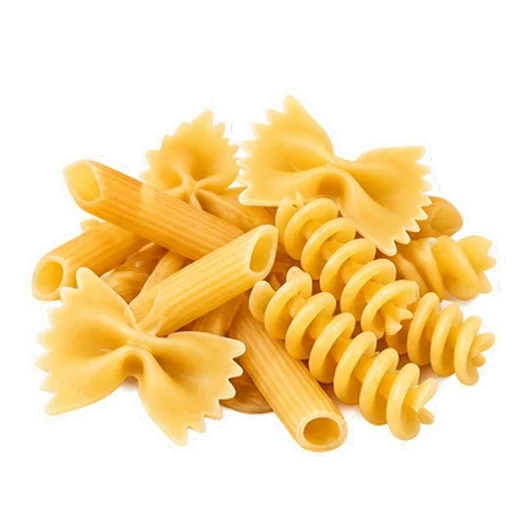
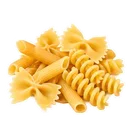
Pasta is a technique rather than an ingredient, and the technique is mostly about the water. It should be well salted, because that is the only chance the pasta itself has to be seasoned; it should not have oil in it; and a ladleful of it, cloudy with starch, is what turns a sauce and a drained pile into a single dish. Almost everything that goes wrong is a failure to finish the pasta in the sauce rather than under it. Shape matters and is not decoration — a ridged tube holds a meat sauce that would slide off a strand. The recipes here say why a shape was chosen and what to use instead.
20 recipes
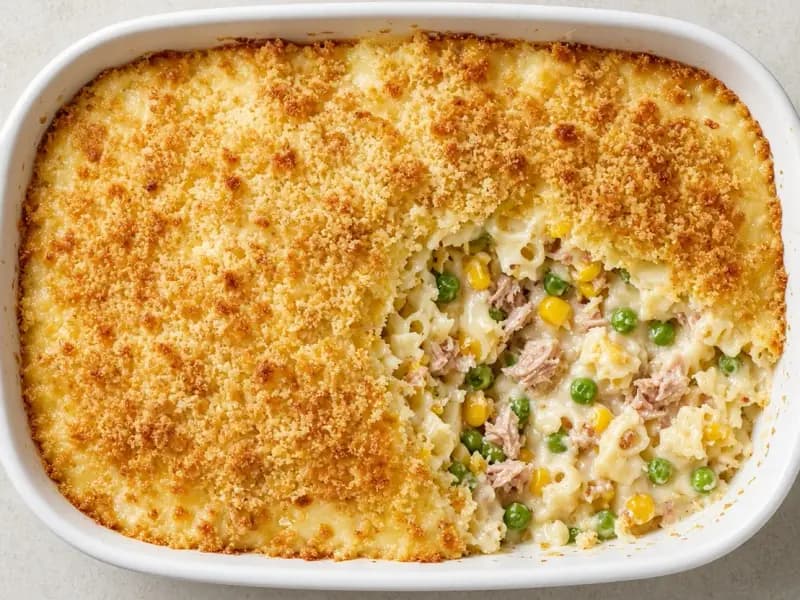
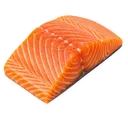
Tuna Pasta Bake
The tuna goes in at the end, folded through rather than baked into the sauce. Twenty-five minutes in the oven turns it into dry threads.
 British
 Pasta
 Fish
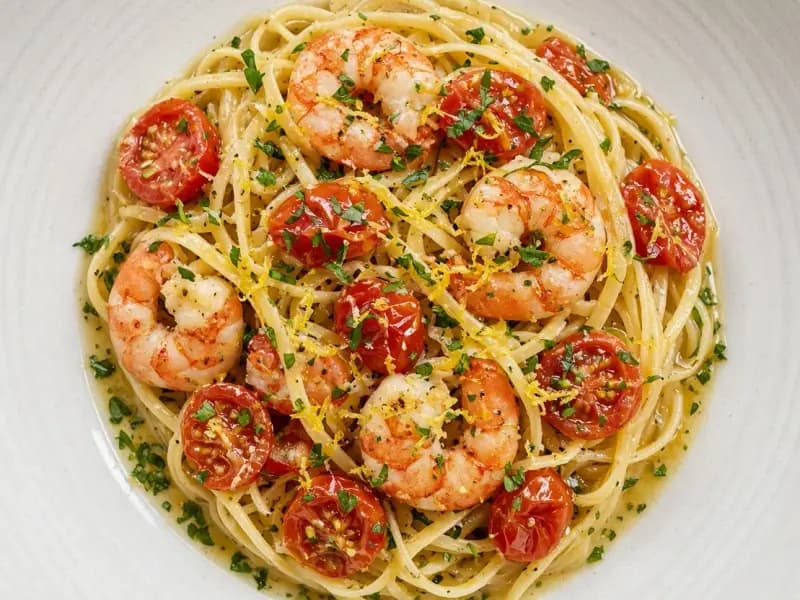
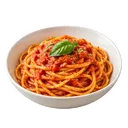
Prawn Linguine
Prawns take two minutes. They go in at the very end, and the sauce is made and finished before they ever see the pan.

 Italian
 Pescatarian
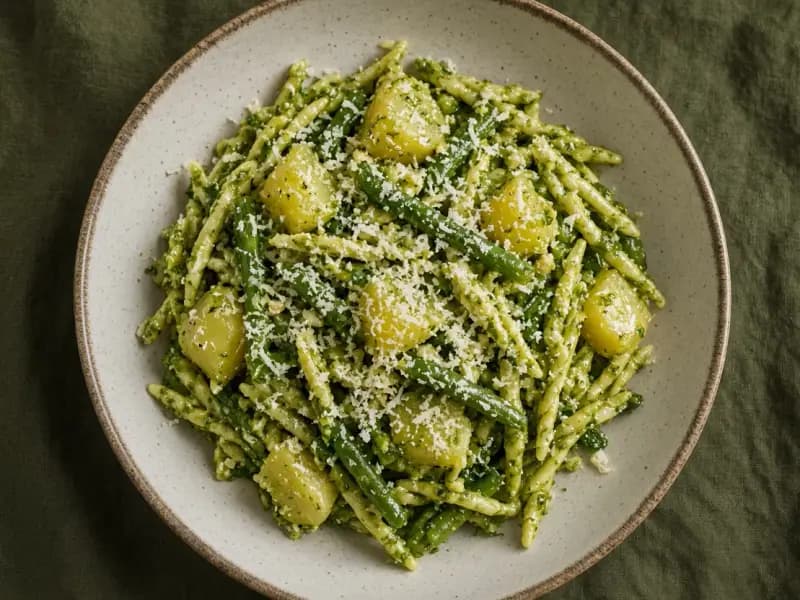
Pesto Pasta
Pesto is never cooked. It goes into a warm bowl with pasta water and the drained pasta, off the heat entirely, or the basil turns brown and bitter.
 Vegetarian
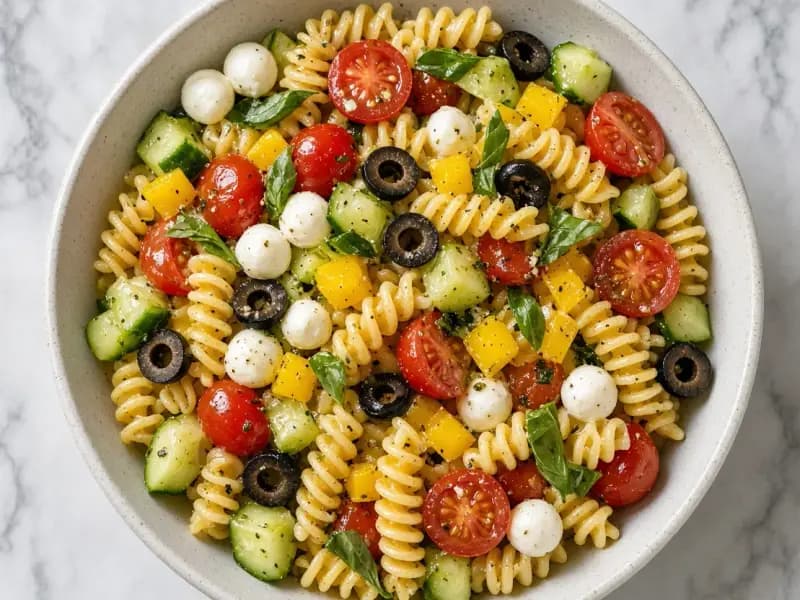
Pasta Salad
Overcook the pasta by a minute and dress it warm. Al dente pasta goes hard in the fridge, and cold pasta refuses to absorb anything.
 Side dishes
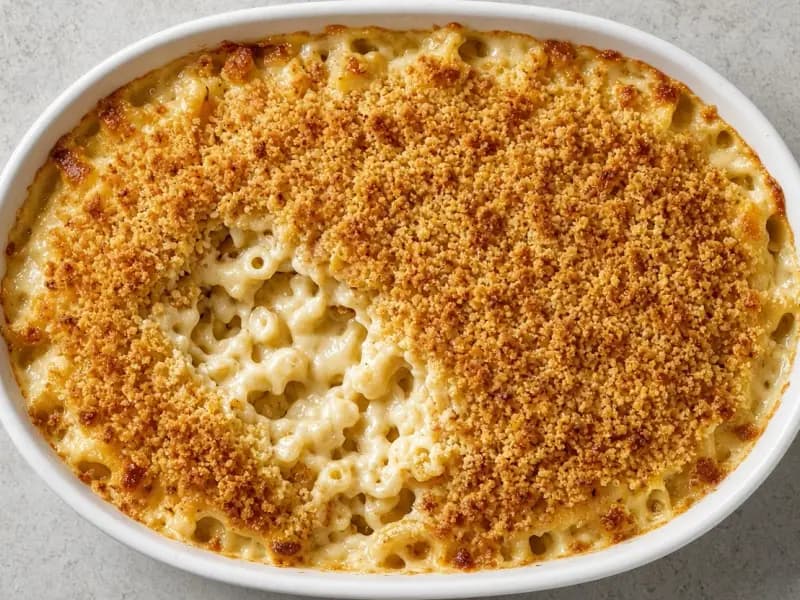
Macaroni Cheese
The cheese goes in off the heat, a handful at a time. Above about 80C the proteins tighten and squeeze the fat out, which is what makes a grainy, oily sauce.
 Cheese
Creamy Tomato Pasta
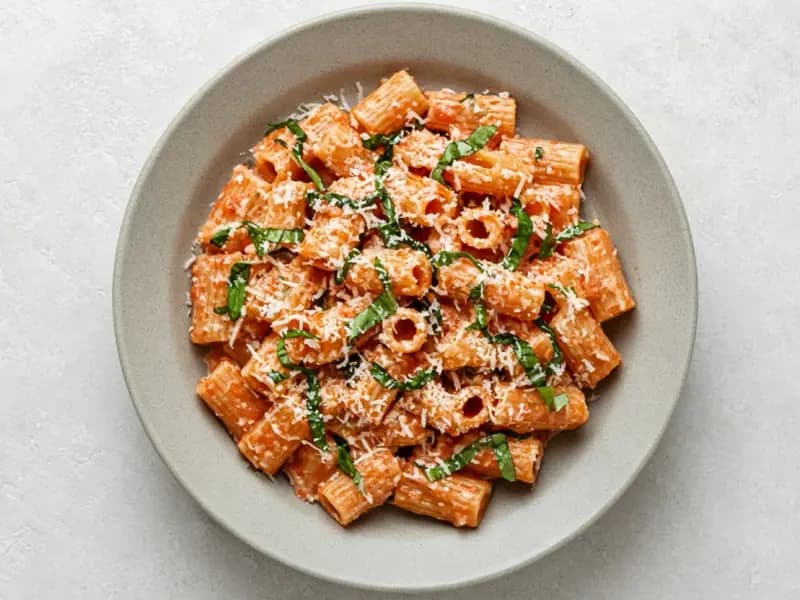
Tomato purée fried in butter until it turns from red to brick, which is where the depth comes from. Twenty minutes, and no cream needed until the last one.
 Tomatoes
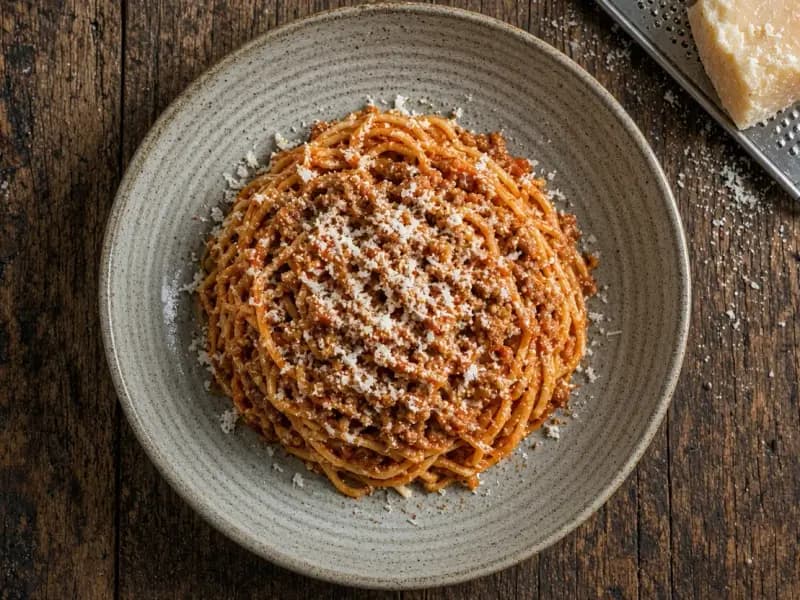
Spaghetti Bolognese
The British version, made properly: soffritto cooked slowly, milk before the wine, and two hours at a bare simmer. Not what they eat in Bologna, and it is a good dish on its own terms.
 Beef
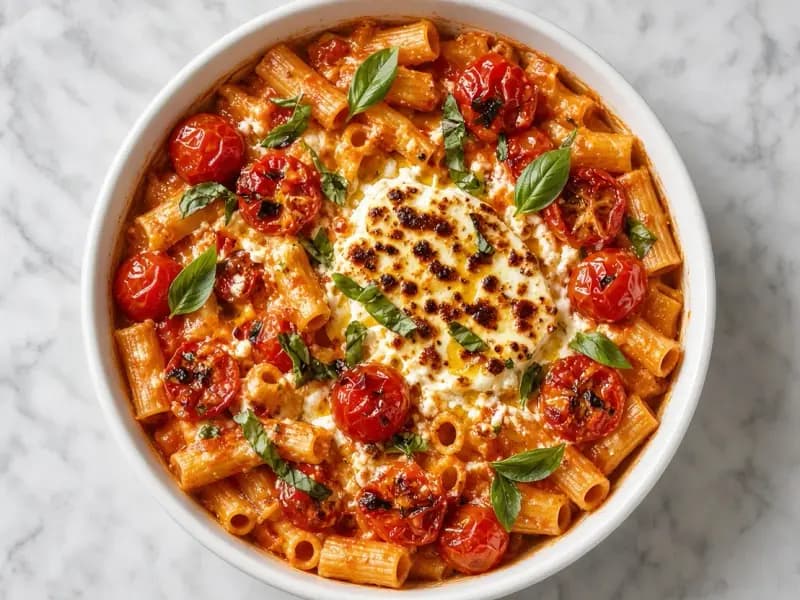
Baked Feta Pasta
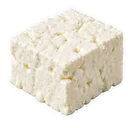
A whole block of feta and a tray of tomatoes roasted until they collapse, then stirred into a sauce with a fork. The feta must be a block in brine, not the crumbled kind.
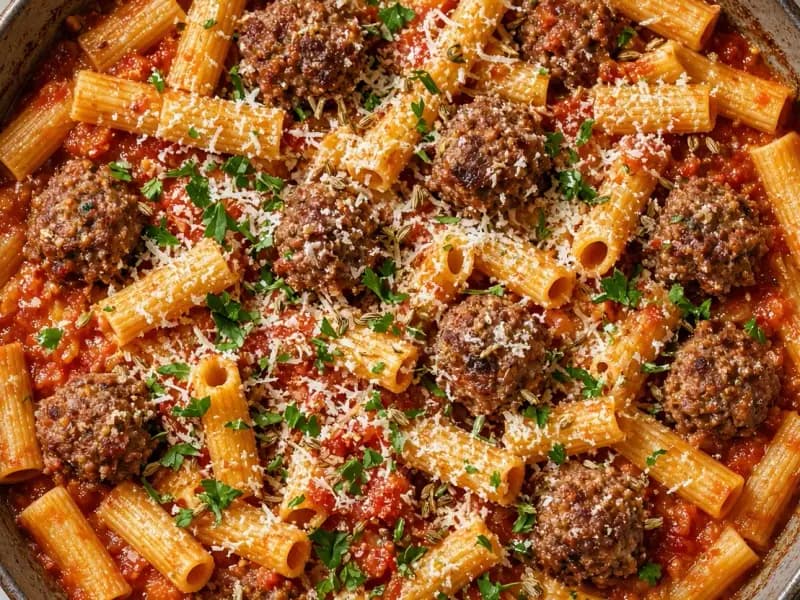
Sausage and Fennel Rigatoni
The sausages come out of their skins and are broken into rough lumps, not crumbs. Fennel seed toasted in the fat is what makes it taste Italian rather than like sausages in tomato sauce.
 Pork
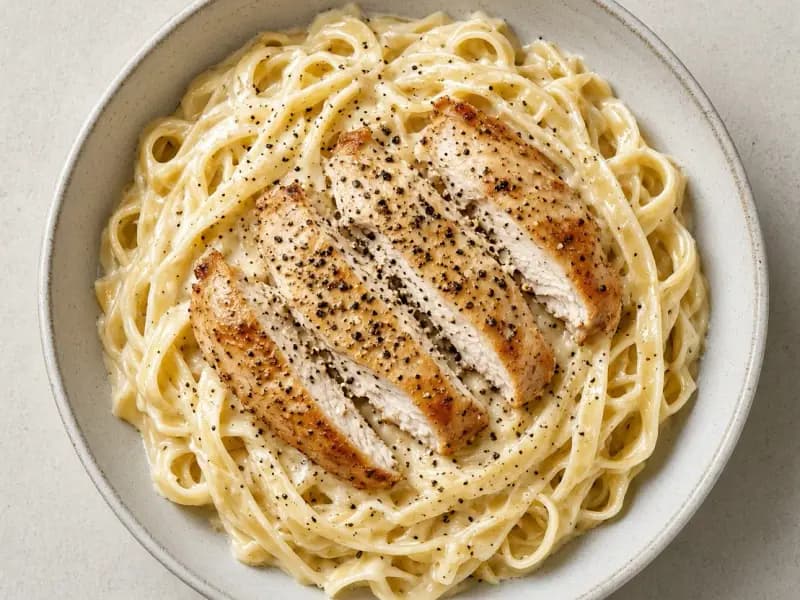
Chicken Alfredo
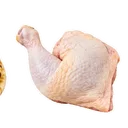
Pan-fried chicken over fettuccine tossed with butter, Parmesan and starchy pasta water into an emulsion off the heat — the Roman way, with no cream.
 Chicken
 Dinner
Spaghetti Carbonara
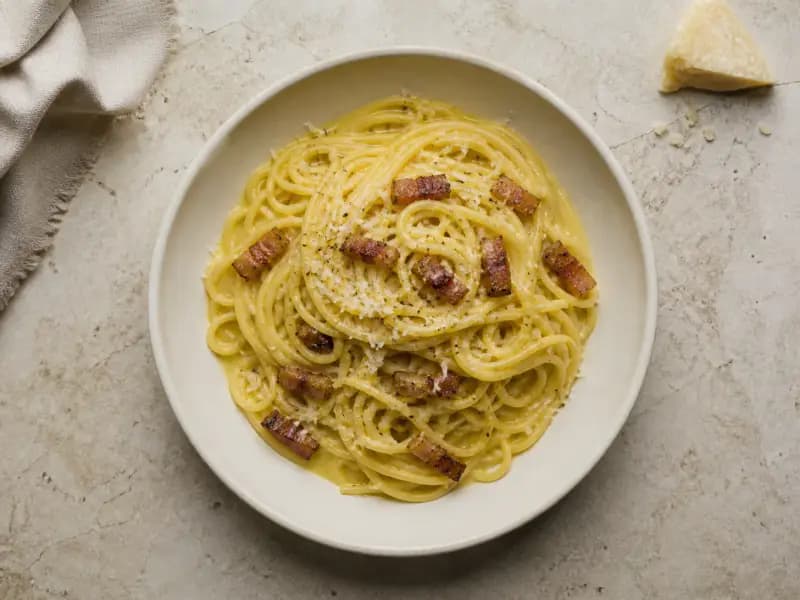
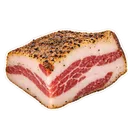
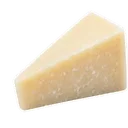
Guanciale, egg yolk and pecorino brought together off the heat into a glossy sauce, with no cream anywhere near the pan.

 30 minutes
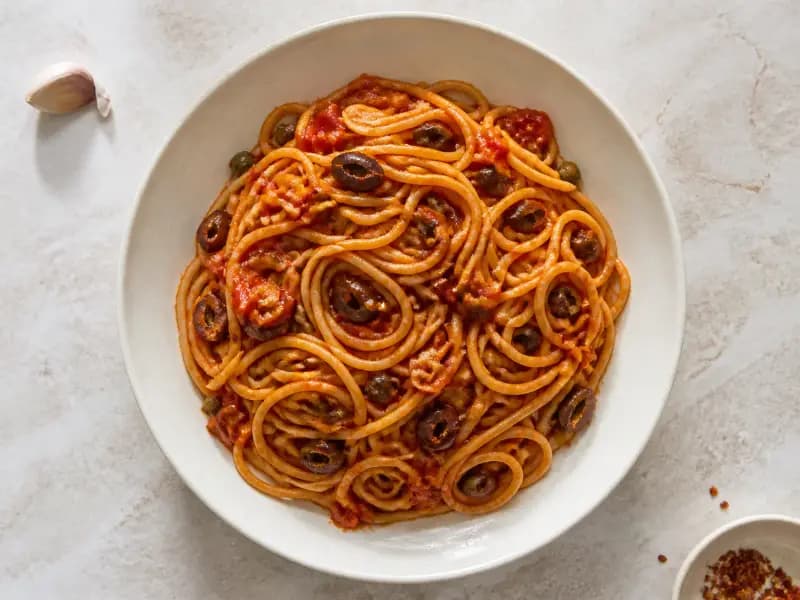
Spaghetti alla Puttanesca
A store-cupboard sauce of anchovies, olives, capers and chilli melted into tomato, salty enough that it needs no cheese and barely any salt.
 Main courses
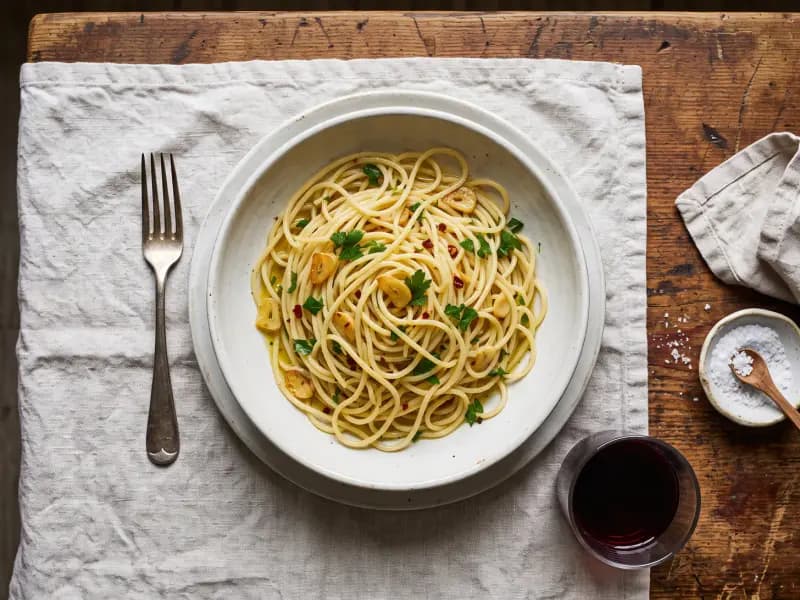
Spaghetti Aglio e Olio
Garlic sliced thin and taken slowly to pale gold in olive oil, emulsified with pasta water into a sauce that is nothing but those two things.
 15 minutes
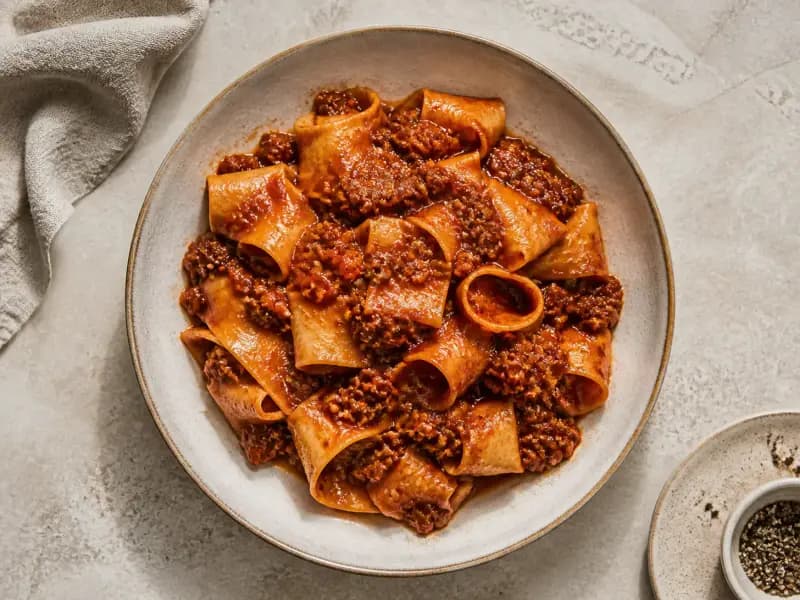
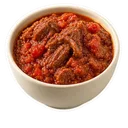
Slow-Cooked Beef Ragu
Coarse beef mince browned in batches then held at a bare simmer for three hours, finished in the pan with the pasta.
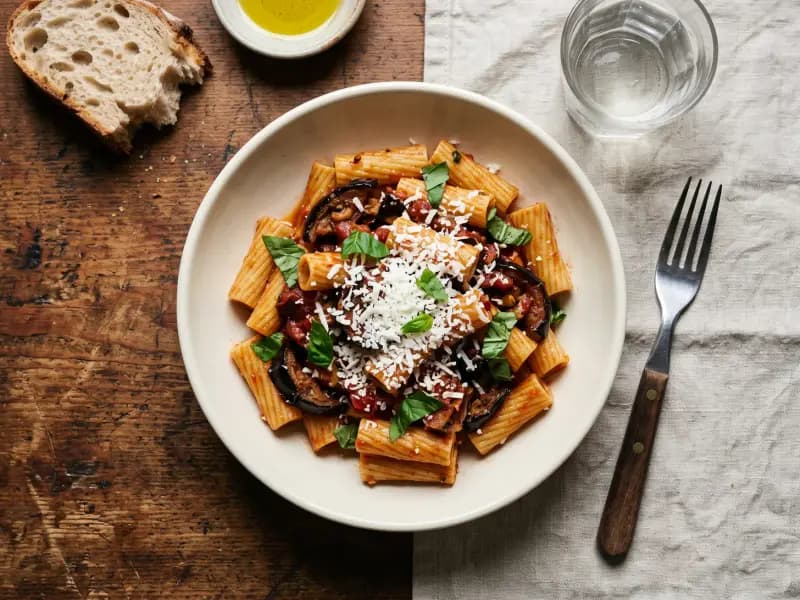
Pasta alla Norma
Fried aubergine folded through a simple tomato sauce with torn basil and salted ricotta, which is the ingredient the dish stands or falls on.
Cacio e Pepe
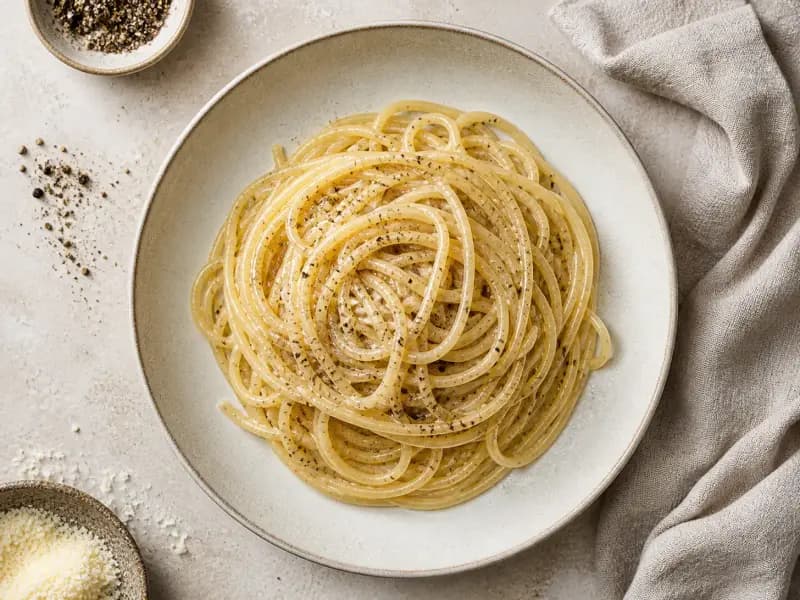
Spaghetti in a sauce of nothing but pecorino, black pepper and starchy pasta water, emulsified off the heat so it stays smooth.
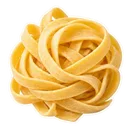
Tagliatelle al Ragù
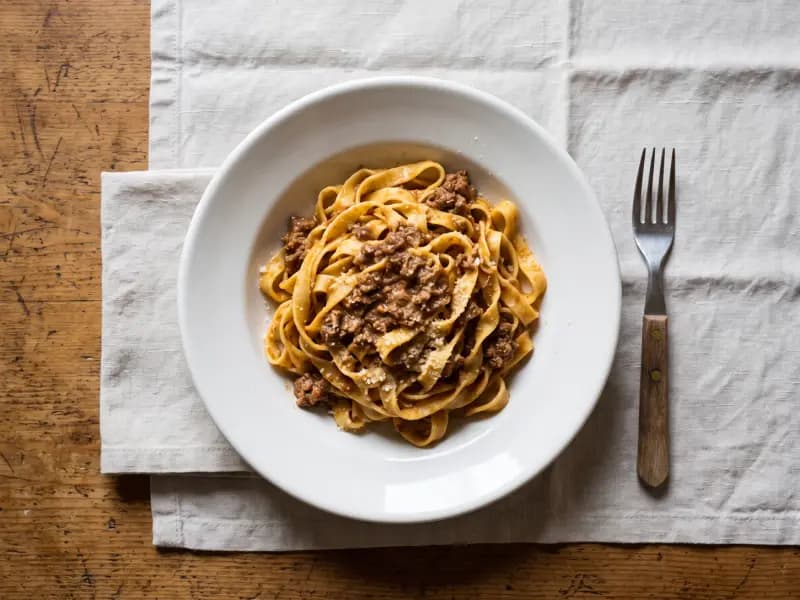
Bolognese ragù cooked for three hours with milk and a little wine, served on fresh tagliatelle rather than spaghetti, which is what Bologna actually does.
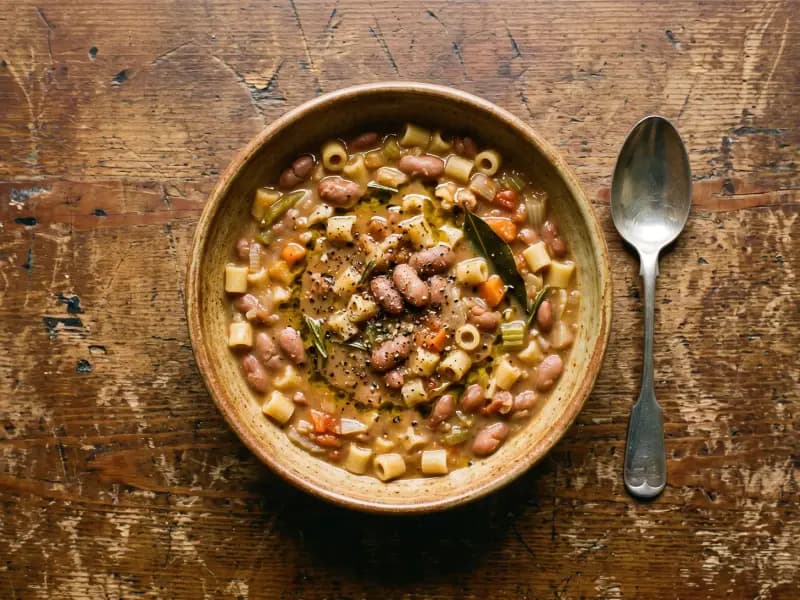
Pasta e Fagioli
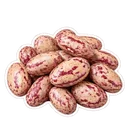
Borlotti beans cooked down until half of them collapse, with small pasta cooked in the same pot so the starch thickens everything together.
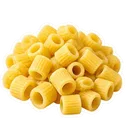
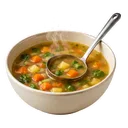
Minestrone
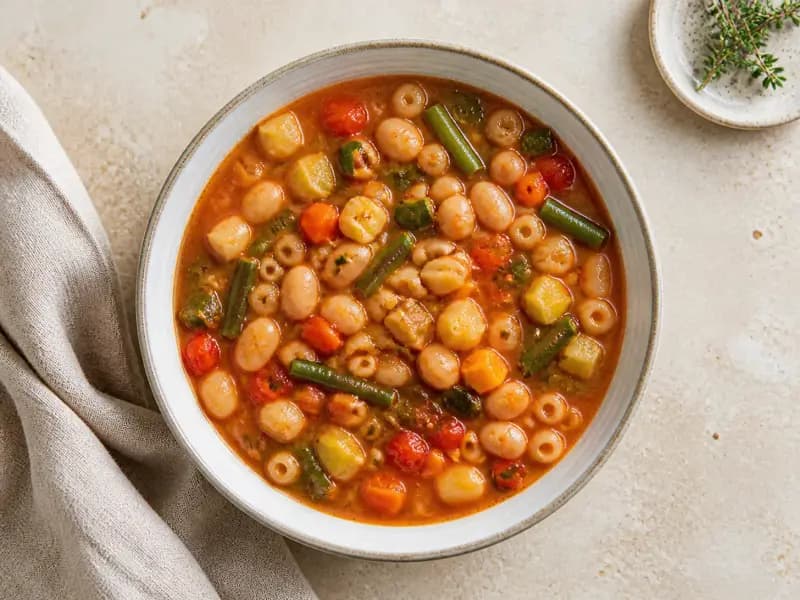
A chunky vegetable soup built on a slow soffritto, with beans and small pasta simmered in the broth so it thickens as it stands.
 Leafy greens
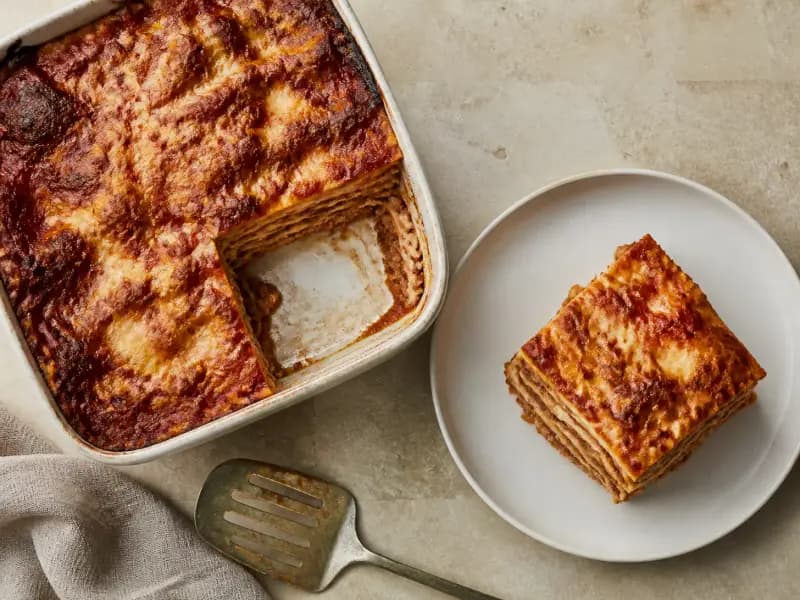
Baked Lasagne
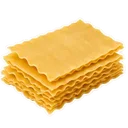
Ragu and béchamel layered thin between dried pasta sheets, baked until the top blisters and rested so it cuts into squares.
 Pasta + Soups
 Breakfast
 Lunch
 Desserts
 Stews
 Bread
 Baking