Chicken Alfredo
Fettuccine Alfredo
Fettuccine Alfredo — for Alfredo di Lelio, who made it in Rome for his wife.
Pan-fried chicken over fettuccine tossed with butter, Parmesan and starchy pasta water into an emulsion off the heat — the Roman way, with no cream.
- Prep
- 10 min
- Cook
- 25 min
- Resting
- 5 min
- Total
- 40 min
- Serves
- 4
- Revisions
- 1
Allergens
- Cereals containing gluten
- Milk
Named from the ingredients as written, including those carried in from sub-recipes. This is not a guarantee — check the labels on what you actually buy, and note that a product’s recipe can change.
Ingredients
Serves
Method
Butterfly the chicken breasts to an even 2cm and season both sides with salt. An even thickness is a safety measure as much as a cooking one — a lumpy breast is raw at the thick end when the thin end is dry.
Heat the olive oil in a frying pan over medium-high heat and cook the chicken for 5-6 minutes a side, until golden and 74C at the centre.
Rest the chicken on a board for 5 minutes, then slice it across into finger-width strips.
Grate the Parmesan on the fine holes of the grater — coarse shreds clump into strings instead of melting into the sauce.
Bring a large pan of well-salted water to the boil and cook the fettuccine one minute short of the packet time.
Just before draining, scoop out two mugfuls of the starchy cooking water. That starch is the emulsifier that holds the sauce together.
Drain the pasta, then put 150ml of the reserved water and the cold butter into the empty pan and swirl over a low heat until it turns cloudy.
Take the pan off the heat. This is where the dish is lost — Parmesan added over a flame seizes into strings and weeps butter, and it will not come back.
Add the drained pasta and the Parmesan and toss hard and continuously for a full minute, loosening with a splash more pasta water whenever it tightens, until the sauce is glossy and clings to every strand.
Grind over the black pepper, lay the sliced chicken on top and serve at once — it stiffens within a minute of stopping.
Nobody has rated this recipe yet.
Sign in to rate this recipe. One rating per person, and you can change it.
What to expect
- Taste
Salt, butter and the deep savoury nuttiness of Parmesan, and nothing else at all. It is one of the plainest dishes in this collection and its quality is entirely the quality of the cheese.
- Aroma
Warm butter and cheese, plus whatever the chicken brings. Not a strongly aromatic dish.
- Texture
Silky, and that is the entire point. Any graininess or any visible butter is a failure of the emulsion.
- Sound
The tossing, which needs to be vigorous and audible.
- How the flavour moves
Salt and fat first, then the long savoury finish of aged cheese, then pepper.
- Serve it
Very hot and immediate. This dish stiffens as it cools faster than anything else here.
- Goes with
Nothing rich. A sharply dressed green salad afterwards. A crisp white.
Cook's notes
- Difficulty
Moderate, and it is the only dish in this batch where the technique can fail outright.
- Cost
Mid. A great deal of Parmesan.
- Equipment
A frying pan, a large pasta pan, a fine grater and tongs.
- When to make it
When you can eat within two minutes of finishing.
- Best season
None.
- You know it is done when
The sauce should turn from separate butter and water into a single opaque, glossy cream that clings to the strands and leaves nothing in the bottom of the bowl.
- And it feels like
Silky and coating. Any visible pool of clear butter means it has split.
- Food safety
Chicken breast at 74C/165F instantaneous (USDA), or 70C for two minutes / 75C instantaneously (UK Food Standards Agency). Butterflying to an even thickness is a safety measure as much as a cooking one — an uneven breast is undercooked at the thick end when the thin end is dry.
- Where it goes wrong
- Making the sauce on the heat, which strings the cheese and releases the butter.
- Coarsely grated Parmesan, which clumps instead of dispersing.
- Pre-grated cheese, whose anti-caking starch prevents a smooth emulsion.
- Throwing away the pasta water, which is the emulsifier.
- Tossing gently. It needs to be vigorous and continuous for a full minute.
- Letting it stand. It stiffens within a minute of stopping.
- If it does go wrong
Split, with butter pooling: take it further off the heat, add a splash of cold pasta water and toss hard — it will often come back. Stringy: the cheese seized on heat; it will not recover and the dish is still edible. Claggy and thick: more pasta water. Thin: keep tossing, it needs another thirty seconds.
- Making it ahead
None of it, beyond cooking and slicing the chicken.
- Keeping it
Two days, though it is a poor leftover.
- Reheating
Very low heat with a splash of milk or water, stirring constantly. It will not be as good.
- Freezing
No.
- Leftovers
Baked in a dish with breadcrumbs over the top, which is a different and acceptable dish.
- Scaling it
Badly. Beyond four portions the pan is too full to toss properly, and tossing is the technique. Cook in two batches.
- Substitutions
Pecorino for a third of the Parmesan is sharper and saltier. Fresh pasta works and gives more starch, so use a little less water. Chicken thighs instead of breast are more forgiving and cook in the same time.
- Dietary swaps
Contains gluten and milk, and nothing else. Egg free unless the pasta is fresh egg pasta, which it often is. Nut free. Parmigiano Reggiano uses animal rennet, so the vegetarian version needs a rennet-free hard cheese.
- Shopping for it
Real Parmigiano Reggiano or Grana Padano in a block. This is the dish where it matters most, because there is nothing else in it.
- Keeping the cost down
Very little scope. Parmesan is the cost and a cheaper hard cheese changes the dish.
- Sustainability
Cheese carries a substantial footprint — roughly ten litres of milk per kilogram — and this dish uses 120g of it for four people, which is not excessive. The chicken is the lowest-impact common meat and is optional here; leaving it off gives you the Roman dish and a lighter plate. There is no useful dairy substitution: the emulsion depends on real Parmesan behaving the way it does, and a version made with something else is a different recipe rather than a swap.
- Nutrition
Rich, and it is butter and cheese, so it is honest about that.
- Worth it?
Take the pan off the heat and toss like you mean it. That is the entire dish and it is worth learning properly.
Where it comes from
- Origin
Rome for the original, the United States for this version.
- Also called
Fettuccine al burro, or fettuccine Alfredo.
- Said out loud
al-FRAY-doh.
- What the name means
Named after Alfredo di Lelio, who made it.
- History
Alfredo di Lelio is generally credited with popularising fettuccine al burro at his Rome restaurant in the early twentieth century, and the frequently repeated account is that he made it for his wife after childbirth. Its fame outside Italy comes from American visitors in the 1920s, notably film actors, who took the dish home. What returned to menus in America gained cream, then garlic, then chicken, and the Roman version — butter, cheese, pasta water — remains a different dish that is still cooked in Rome.
- Why it matters
One of the clearest examples of a dish that is famous abroad and barely recognised at home. Ordering fettuccine Alfredo in most of Italy will get you a blank look.
- When it is eaten
American restaurant food and household comfort cooking.
- The traditional way
Mantecatura — beating fat and cheese into starchy water off the heat to form an emulsion. The same technique makes cacio e pepe and finishes a risotto.
- How it changed
Cream was added, which makes the sauce far easier and much less interesting; then chicken, then broccoli, then garlic.
- Regional variations
In Rome, no cream and no chicken. In the United States, cream in nearly every version.
- How this version differs
No cream, which is the Roman way and is why the technique matters. The chicken stays because it is what people are searching for and it does no harm. This site also has Cacio e Pepe, which uses the same emulsion technique with pecorino and pepper.
- Sources and credit
Alfredo di Lelio, Rome.
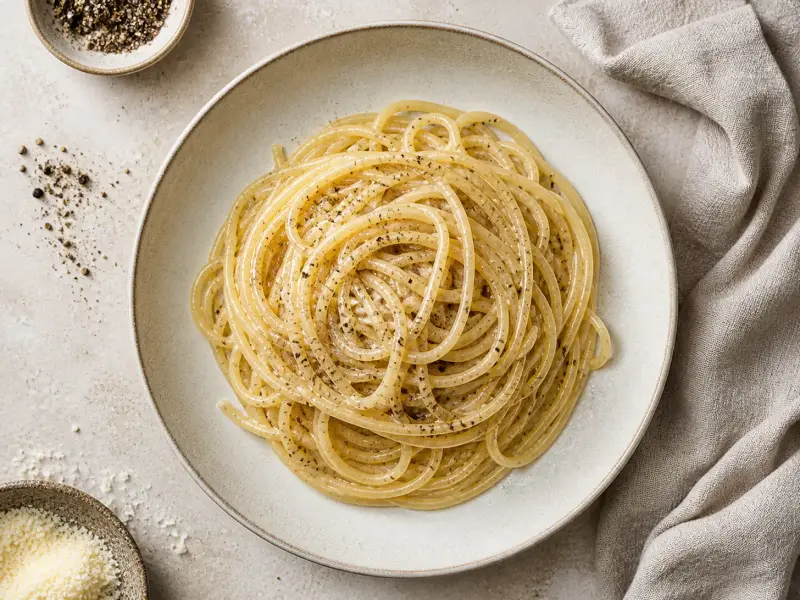 Cacio e Pepe
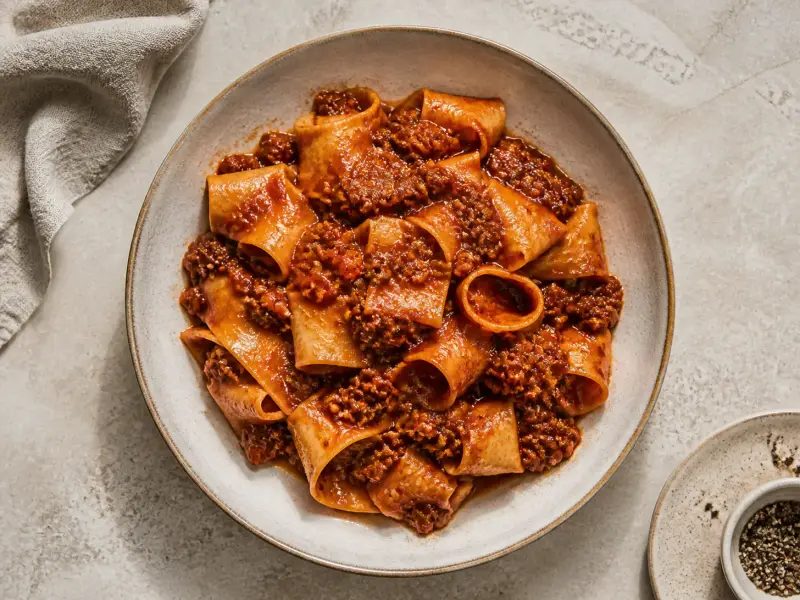 Slow-Cooked Beef Ragu
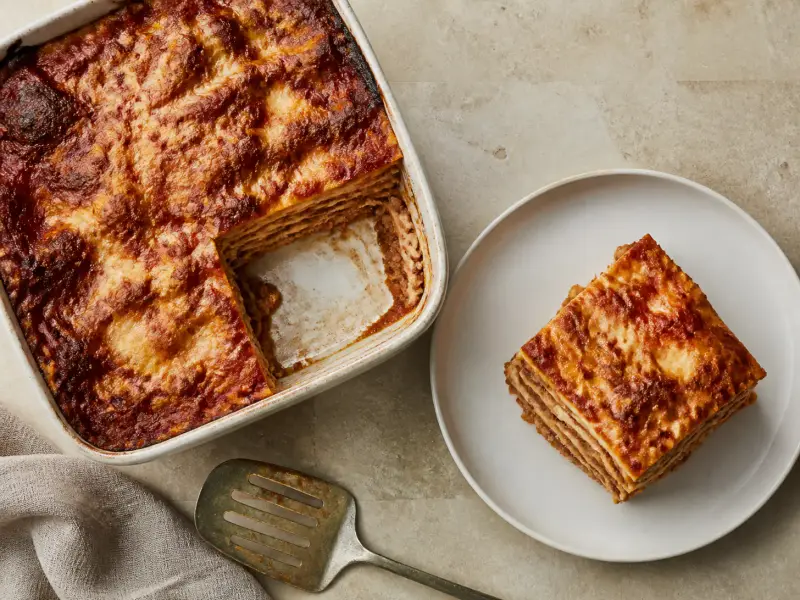 Baked Lasagne
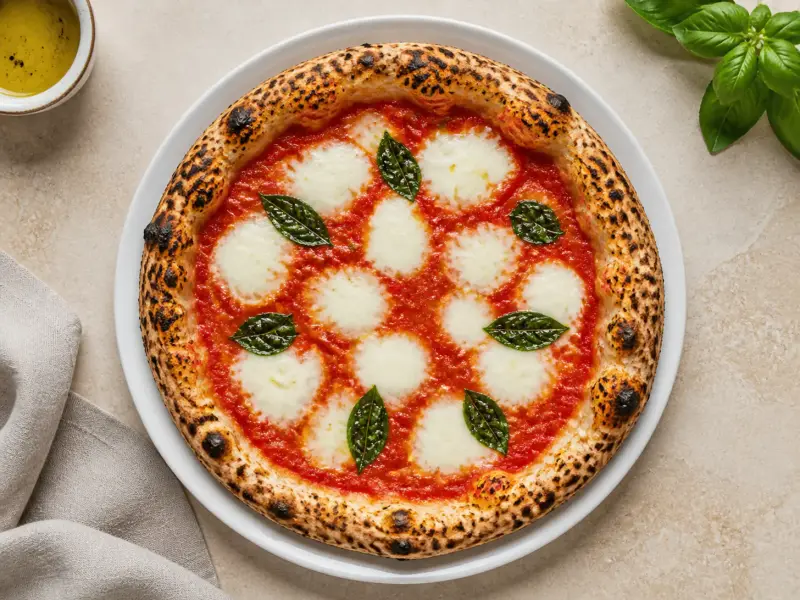 Classic Margherita Pizza
 Pasta alla Norma
 Spaghetti Aglio e Olio
 Italian
 Dinner
 Main courses
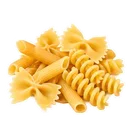 Pasta
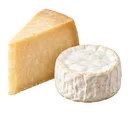 Cheese
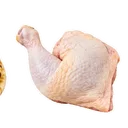 Chicken