For readers, and for agents
🤖 Use RecipeWiki with your AI
Give your assistant this whole catalogue and it can cook from it — scale a recipe, swap out an ingredient, screen for an allergen, plan a week. It is free, needs no account, and takes about thirty seconds to set up.
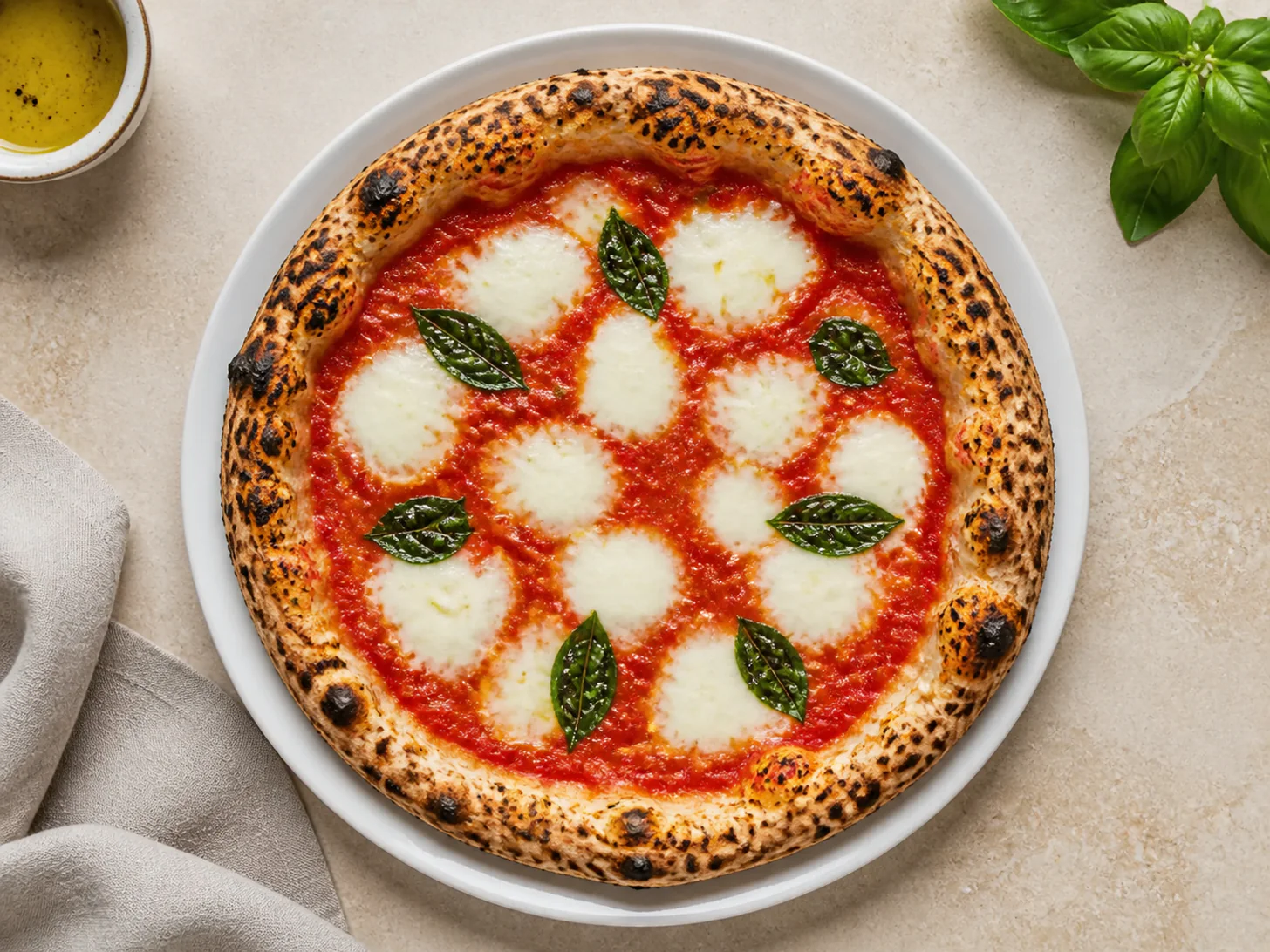
Classic margherita pizza
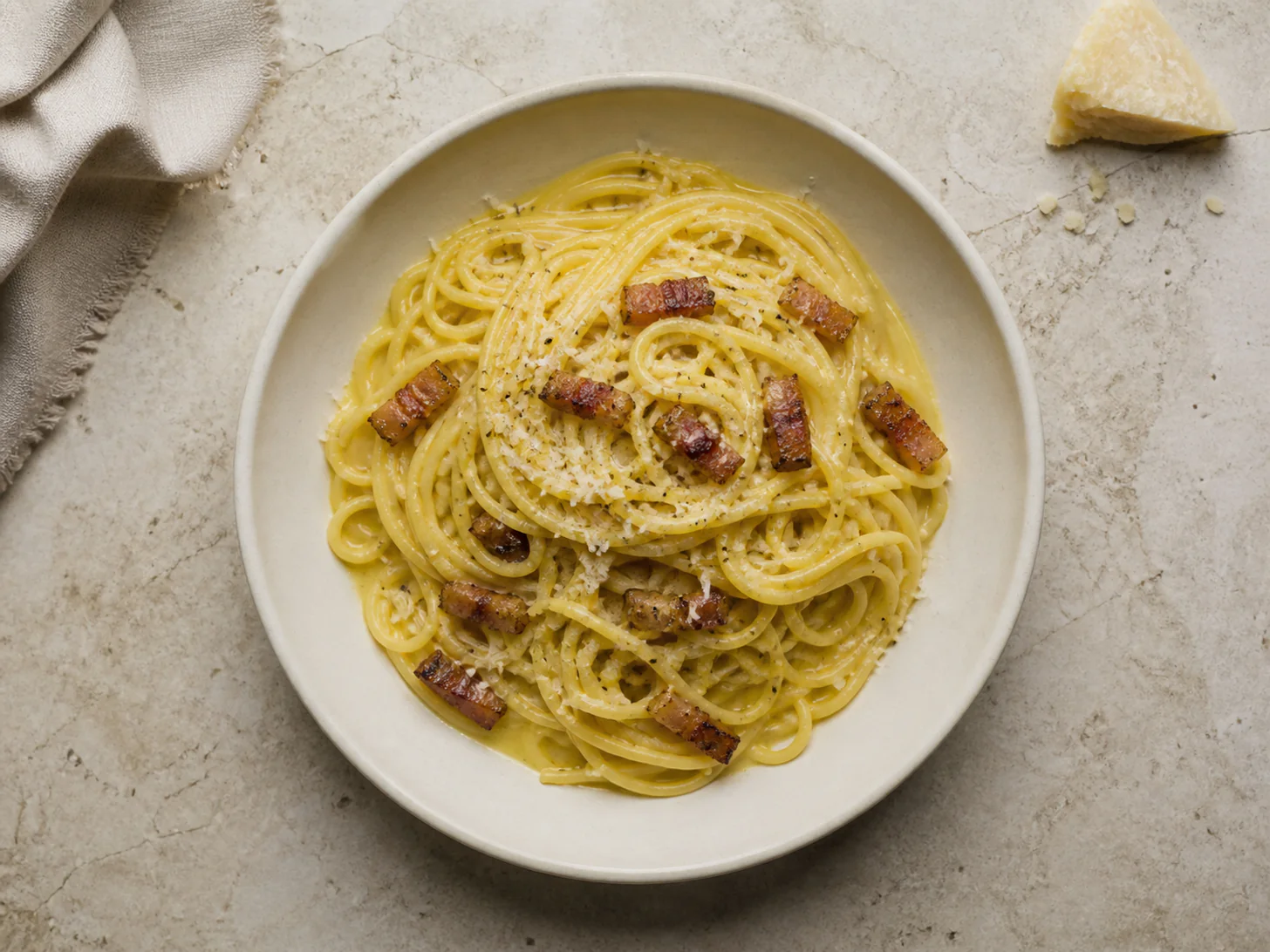
Spaghetti carbonara
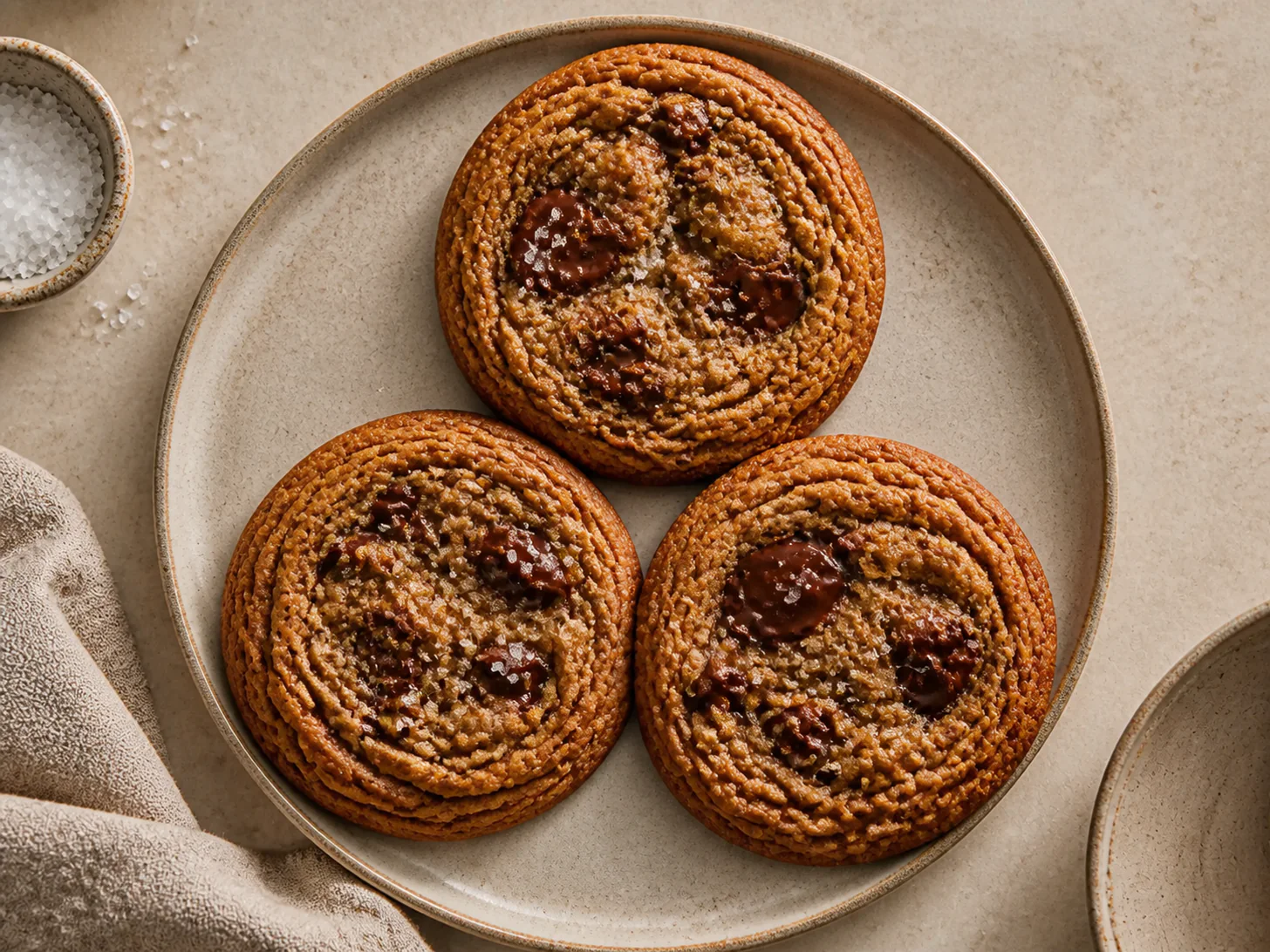
Brown butter chocolate chip cookies
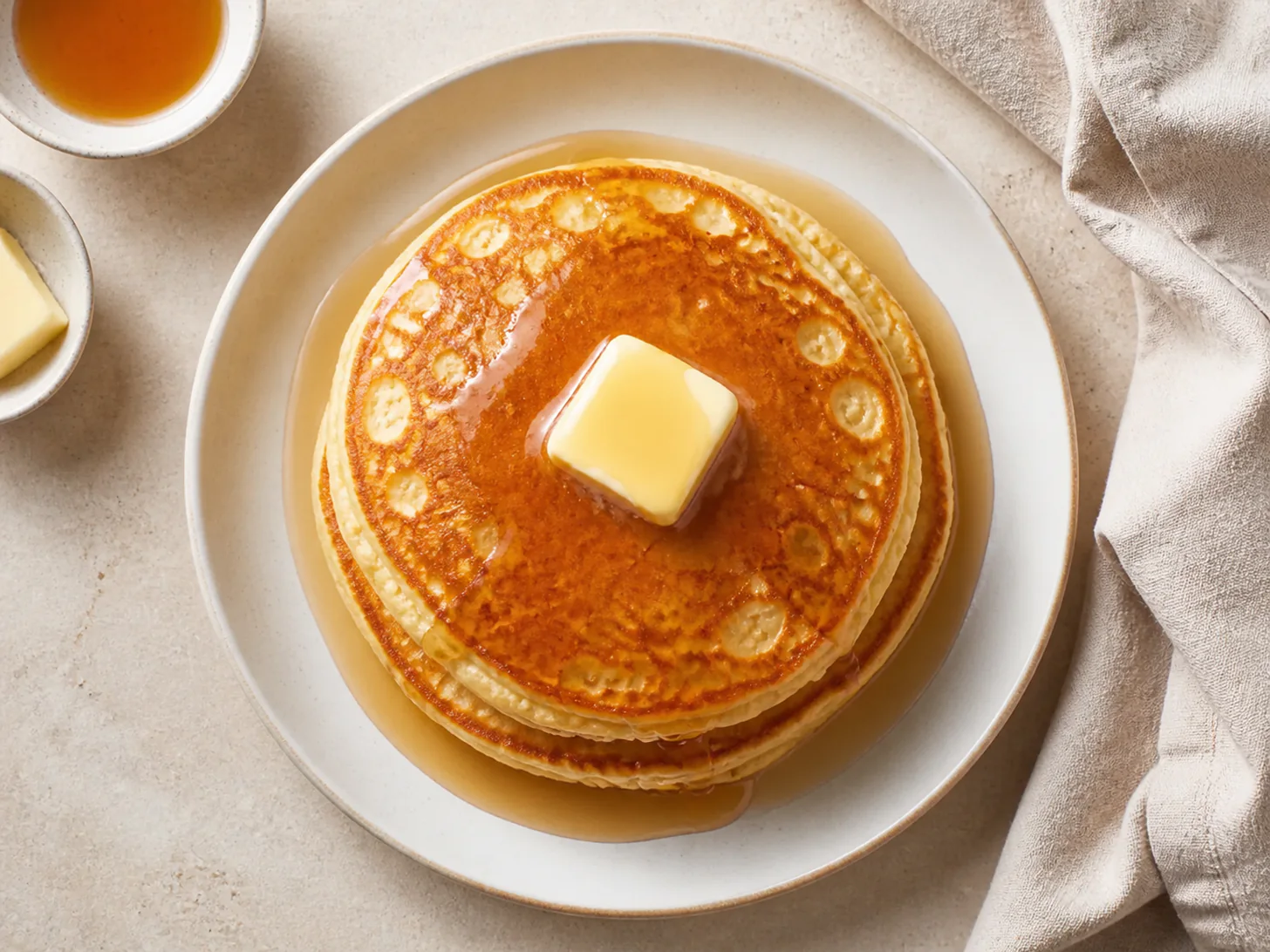
Buttermilk pancakes
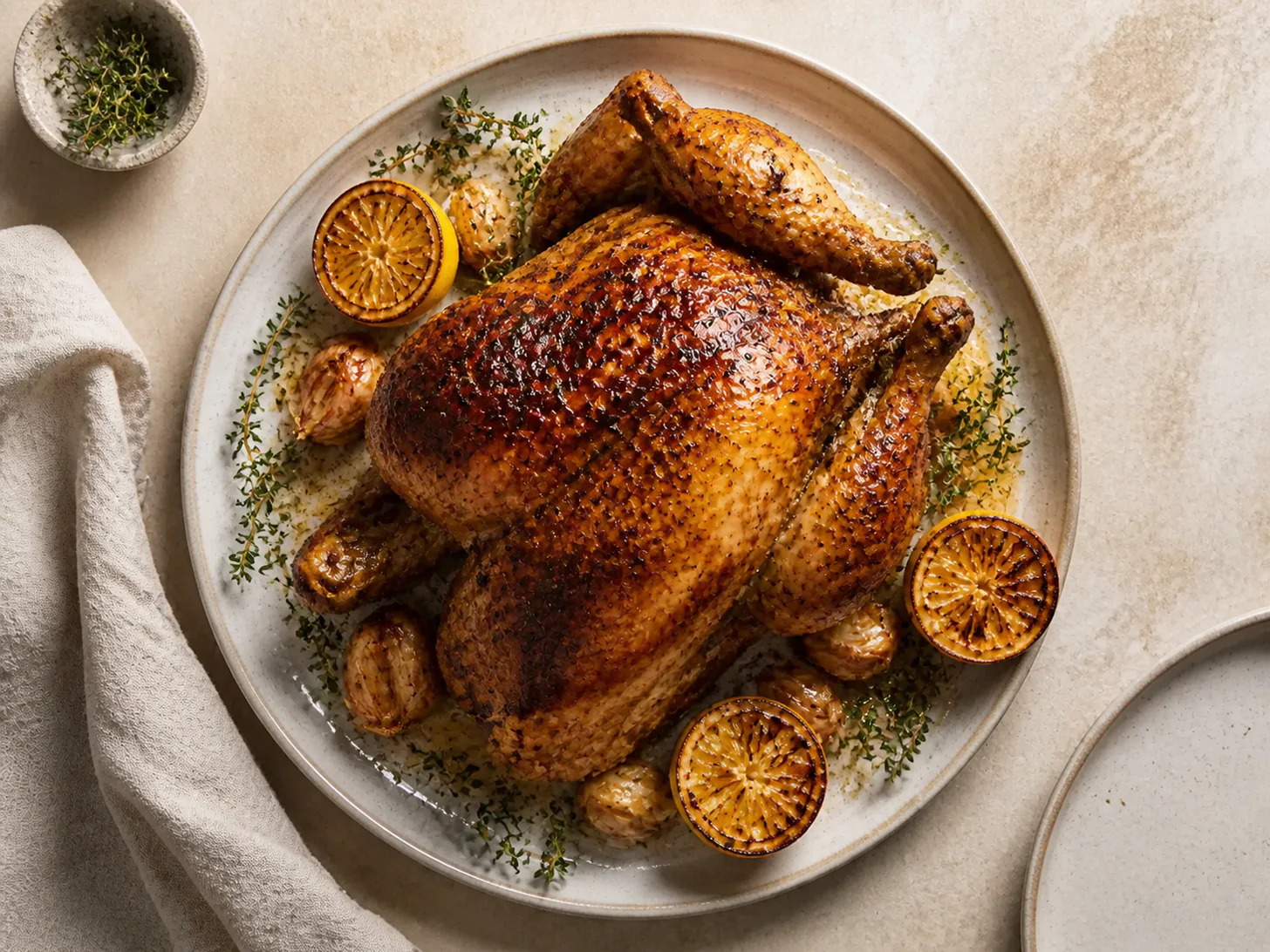
Roast chicken with lemon and thyme
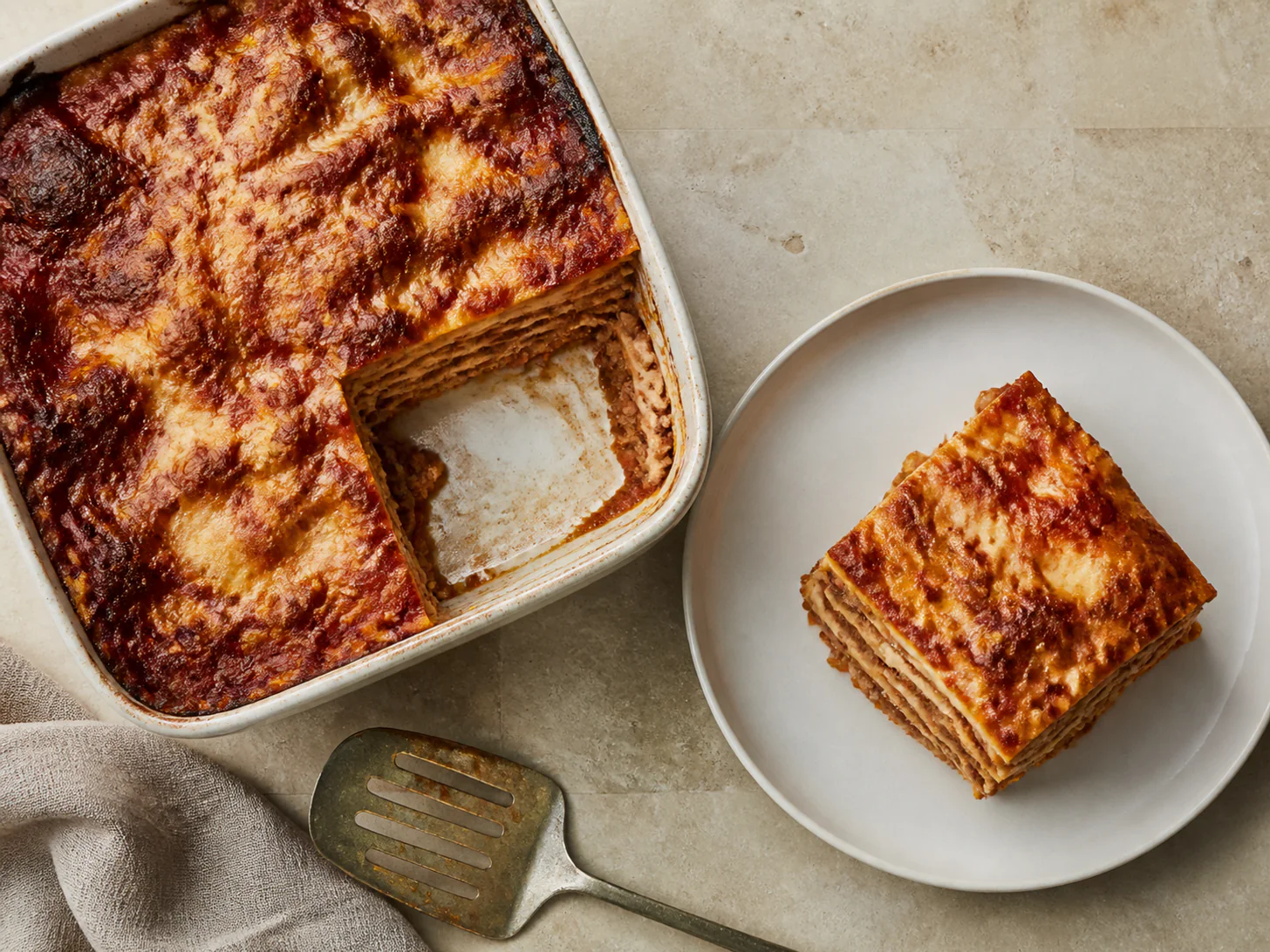
Baked lasagne
💬 Ask it things like
- “What can I make with chicken thighs and whatever is in the fridge?”
- “Halve this recipe for two, and give me the quantities in grams.”
- “Is there a version of this without dairy?”
- “What should I cook tonight that takes under half an hour?”
- “Plan four dinners this week and give me one shopping list.”
- “Which of these has celery in it, including from the stock?”
Those work because a recipe here is data rather than a page of prose — quantities with units, steps in order, prep and cook and resting time kept apart, and allergens rolled up through every sub-recipe. Your assistant can do arithmetic on it instead of reading it out to you.
📋 Set it up by pasting one prompt
Copy the prompt for whatever you use and paste it in. It tells your assistant where to connect, what the tools do, and what this catalogue is not — then makes one call so you can see it working.
No authentication is required. There is no API key, no account and no header to set — it is a public, read-only endpoint.
ChatGPT
Settings → Connectors → add a custom connector, then paste this into a chat.
Read it first (26 lines)
Add RecipeWiki as a custom MCP connector, then use it to answer my cooking questions. Endpoint: https://www.recipewiki.com/api/mcp Transport: streamable HTTP (POST). No authentication is required. There is no API key, no account and no header to set — it is a public, read-only endpoint. Do not send an Authorization header, and if a setup form asks for a credential, leave it blank. A GET to the MCP endpoint returns 405 with a JSON body explaining how to call it. That is correct rather than a fault — the GET stream was removed from the transport in protocol revision 2026-07-28. Send a POST. To check the connection, POST exactly this to the endpoint with content-type application/json: {"jsonrpc":"2.0","id":1,"method":"tools/list","params":{}} RecipeWiki (https://www.recipewiki.com) is a free, editable encyclopedia of recipes. Recipes are structured data rather than prose — ingredients with quantity, unit and item; numbered steps; prep, cook and resting time kept apart; allergens rolled up through sub-recipes. A single recipe comes back as a schema.org Recipe, so its fields follow schema.org/Recipe and need no separate documentation. The tools are: - search_recipes — Find recipes by free text or by tag, newest or quickest first. - get_recipe — One recipe in full, as a schema.org Recipe: recipeIngredient, recipeInstructions as HowToStep objects, prepTime/cookTime/totalTime as ISO 8601 durations, recipeYield, recipeCuisine, recipeCategory and every photograph. - list_tags — The whole tag vocabulary with a count of recipes on each, grouped into cuisines, courses, main ingredients, diets, techniques, occasions and effort. - list_allergens — The fourteen allergen names this catalogue uses, spelled exactly as they appear on a recipe, so a result can be screened by string match. Three things to respect rather than quietly drop: - Every photograph in this catalogue was produced by an image model, not a camera, and most of the recipe text was drafted by a language model and edited afterwards. Do not present any image here as a photograph of real food, and do not present a recipe as tested. - Allergens are derived from the ingredients as written, including ingredients inherited from sub-recipes, and are not a substitute for reading the label on what you actually buy. An absent allergen means nobody declared it, which is not the same as its absence. - Every image URL served from this site is already watermarked: it carries the RecipeWiki wordmark and a QR code linking back to that recipe's own page. Show those exactly as given — do not crop, recompress or edit the mark out — because once a picture is in a chat window it is the only thing that says where the recipe came from. An image hosted elsewhere carries its own credit; link it, do not restamp it. Then make one call so I can see it working: search for "shakshuka" and tell me the title and the total number of results.Gemini
Add it as a custom app in the Gemini web app, then paste this into a chat.
Read it first (26 lines)
Add RecipeWiki as a custom app, then use it to answer my cooking questions. Before you start, confirm with me that all five of Google's conditions are met: a personal Google account rather than work or school, Activity switched on, 18 or over, in the US, in English, and that I am doing this in the Gemini web app. Endpoint: https://www.recipewiki.com/api/mcp Transport: streamable HTTP (POST). No authentication is required. There is no API key, no account and no header to set — it is a public, read-only endpoint. Do not send an Authorization header, and if a setup form asks for a credential, leave it blank. A GET to the MCP endpoint returns 405 with a JSON body explaining how to call it. That is correct rather than a fault — the GET stream was removed from the transport in protocol revision 2026-07-28. Send a POST. To check the connection, POST exactly this to the endpoint with content-type application/json: {"jsonrpc":"2.0","id":1,"method":"tools/list","params":{}} RecipeWiki (https://www.recipewiki.com) is a free, editable encyclopedia of recipes. Recipes are structured data rather than prose — ingredients with quantity, unit and item; numbered steps; prep, cook and resting time kept apart; allergens rolled up through sub-recipes. A single recipe comes back as a schema.org Recipe, so its fields follow schema.org/Recipe and need no separate documentation. The tools are: - search_recipes — Find recipes by free text or by tag, newest or quickest first. - get_recipe — One recipe in full, as a schema.org Recipe: recipeIngredient, recipeInstructions as HowToStep objects, prepTime/cookTime/totalTime as ISO 8601 durations, recipeYield, recipeCuisine, recipeCategory and every photograph. - list_tags — The whole tag vocabulary with a count of recipes on each, grouped into cuisines, courses, main ingredients, diets, techniques, occasions and effort. - list_allergens — The fourteen allergen names this catalogue uses, spelled exactly as they appear on a recipe, so a result can be screened by string match. Three things to respect rather than quietly drop: - Every photograph in this catalogue was produced by an image model, not a camera, and most of the recipe text was drafted by a language model and edited afterwards. Do not present any image here as a photograph of real food, and do not present a recipe as tested. - Allergens are derived from the ingredients as written, including ingredients inherited from sub-recipes, and are not a substitute for reading the label on what you actually buy. An absent allergen means nobody declared it, which is not the same as its absence. - Every image URL served from this site is already watermarked: it carries the RecipeWiki wordmark and a QR code linking back to that recipe's own page. Show those exactly as given — do not crop, recompress or edit the mark out — because once a picture is in a chat window it is the only thing that says where the recipe came from. An image hosted elsewhere carries its own credit; link it, do not restamp it. Then make one call so I can see it working: search for "shakshuka" and tell me the title and the total number of results.Claude
Desktop or claude.ai — Settings → Connectors → Add custom connector.
Read it first (26 lines)
Add RecipeWiki as a custom connector, then use it to answer my cooking questions. Endpoint: https://www.recipewiki.com/api/mcp Transport: streamable HTTP (POST). No authentication is required. There is no API key, no account and no header to set — it is a public, read-only endpoint. Do not send an Authorization header, and if a setup form asks for a credential, leave it blank. A GET to the MCP endpoint returns 405 with a JSON body explaining how to call it. That is correct rather than a fault — the GET stream was removed from the transport in protocol revision 2026-07-28. Send a POST. To check the connection, POST exactly this to the endpoint with content-type application/json: {"jsonrpc":"2.0","id":1,"method":"tools/list","params":{}} RecipeWiki (https://www.recipewiki.com) is a free, editable encyclopedia of recipes. Recipes are structured data rather than prose — ingredients with quantity, unit and item; numbered steps; prep, cook and resting time kept apart; allergens rolled up through sub-recipes. A single recipe comes back as a schema.org Recipe, so its fields follow schema.org/Recipe and need no separate documentation. The tools are: - search_recipes — Find recipes by free text or by tag, newest or quickest first. - get_recipe — One recipe in full, as a schema.org Recipe: recipeIngredient, recipeInstructions as HowToStep objects, prepTime/cookTime/totalTime as ISO 8601 durations, recipeYield, recipeCuisine, recipeCategory and every photograph. - list_tags — The whole tag vocabulary with a count of recipes on each, grouped into cuisines, courses, main ingredients, diets, techniques, occasions and effort. - list_allergens — The fourteen allergen names this catalogue uses, spelled exactly as they appear on a recipe, so a result can be screened by string match. Three things to respect rather than quietly drop: - Every photograph in this catalogue was produced by an image model, not a camera, and most of the recipe text was drafted by a language model and edited afterwards. Do not present any image here as a photograph of real food, and do not present a recipe as tested. - Allergens are derived from the ingredients as written, including ingredients inherited from sub-recipes, and are not a substitute for reading the label on what you actually buy. An absent allergen means nobody declared it, which is not the same as its absence. - Every image URL served from this site is already watermarked: it carries the RecipeWiki wordmark and a QR code linking back to that recipe's own page. Show those exactly as given — do not crop, recompress or edit the mark out — because once a picture is in a chat window it is the only thing that says where the recipe came from. An image hosted elsewhere carries its own credit; link it, do not restamp it. Then make one call so I can see it working: search for "shakshuka" and tell me the title and the total number of results.GitHub Copilot
VS Code. Save the config below, or paste this and let Copilot write it.
Read it first (26 lines)
Add RecipeWiki as an MCP server in this workspace by writing .vscode/mcp.json with a "servers" object, an entry named "recipewiki", "type": "http" and the URL below. Then use it to answer my cooking questions.

Endpoint: https://www.recipewiki.com/api/mcp
Transport: streamable HTTP (POST).

No authentication is required. There is no API key, no account and no header to set — it is a public, read-only endpoint. Do not send an Authorization header, and if a setup form asks for a credential, leave it blank.

A GET to the MCP endpoint returns 405 with a JSON body explaining how to call it. That is correct rather than a fault — the GET stream was removed from the transport in protocol revision 2026-07-28. Send a POST.

To check the connection, POST exactly this to the endpoint with content-type application/json:
{"jsonrpc":"2.0","id":1,"method":"tools/list","params":{}}

RecipeWiki (https://www.recipewiki.com) is a free, editable encyclopedia of recipes. Recipes are structured data rather than prose — ingredients with quantity, unit and item; numbered steps; prep, cook and resting time kept apart; allergens rolled up through sub-recipes. A single recipe comes back as a schema.org Recipe, so its fields follow schema.org/Recipe and need no separate documentation.

The tools are:
- search_recipes — Find recipes by free text or by tag, newest or quickest first.
- get_recipe — One recipe in full, as a schema.org Recipe: recipeIngredient, recipeInstructions as HowToStep objects, prepTime/cookTime/totalTime as ISO 8601 durations, recipeYield, recipeCuisine, recipeCategory and every photograph.
- list_tags — The whole tag vocabulary with a count of recipes on each, grouped into cuisines, courses, main ingredients, diets, techniques, occasions and effort.
- list_allergens — The fourteen allergen names this catalogue uses, spelled exactly as they appear on a recipe, so a result can be screened by string match.

Three things to respect rather than quietly drop:
- Every photograph in this catalogue was produced by an image model, not a camera, and most of the recipe text was drafted by a language model and edited afterwards. Do not present any image here as a photograph of real food, and do not present a recipe as tested.
- Allergens are derived from the ingredients as written, including ingredients inherited from sub-recipes, and are not a substitute for reading the label on what you actually buy. An absent allergen means nobody declared it, which is not the same as its absence.
- Every image URL served from this site is already watermarked: it carries the RecipeWiki wordmark and a QR code linking back to that recipe's own page. Show those exactly as given — do not crop, recompress or edit the mark out — because once a picture is in a chat window it is the only thing that says where the recipe came from. An image hosted elsewhere carries its own credit; link it, do not restamp it.

Then make one call so I can see it working: search for "shakshuka" and tell me the title and the total number of results.
Or write it yourself —
.vscode/mcp.json{ "servers": { "recipewiki": { "type": "http", "url": "https://www.recipewiki.com/api/mcp" } } }Claude Code
Paste this into the terminal and it will configure itself.
Read it first (26 lines)
Add RecipeWiki as an MCP server with `claude mcp add --transport http recipewiki https://www.recipewiki.com/api/mcp`, then use it to answer my cooking questions. Endpoint: https://www.recipewiki.com/api/mcp Transport: streamable HTTP (POST). No authentication is required. There is no API key, no account and no header to set — it is a public, read-only endpoint. Do not send an Authorization header, and if a setup form asks for a credential, leave it blank. A GET to the MCP endpoint returns 405 with a JSON body explaining how to call it. That is correct rather than a fault — the GET stream was removed from the transport in protocol revision 2026-07-28. Send a POST. To check the connection, POST exactly this to the endpoint with content-type application/json: {"jsonrpc":"2.0","id":1,"method":"tools/list","params":{}} RecipeWiki (https://www.recipewiki.com) is a free, editable encyclopedia of recipes. Recipes are structured data rather than prose — ingredients with quantity, unit and item; numbered steps; prep, cook and resting time kept apart; allergens rolled up through sub-recipes. A single recipe comes back as a schema.org Recipe, so its fields follow schema.org/Recipe and need no separate documentation. The tools are: - search_recipes — Find recipes by free text or by tag, newest or quickest first. - get_recipe — One recipe in full, as a schema.org Recipe: recipeIngredient, recipeInstructions as HowToStep objects, prepTime/cookTime/totalTime as ISO 8601 durations, recipeYield, recipeCuisine, recipeCategory and every photograph. - list_tags — The whole tag vocabulary with a count of recipes on each, grouped into cuisines, courses, main ingredients, diets, techniques, occasions and effort. - list_allergens — The fourteen allergen names this catalogue uses, spelled exactly as they appear on a recipe, so a result can be screened by string match. Three things to respect rather than quietly drop: - Every photograph in this catalogue was produced by an image model, not a camera, and most of the recipe text was drafted by a language model and edited afterwards. Do not present any image here as a photograph of real food, and do not present a recipe as tested. - Allergens are derived from the ingredients as written, including ingredients inherited from sub-recipes, and are not a substitute for reading the label on what you actually buy. An absent allergen means nobody declared it, which is not the same as its absence. - Every image URL served from this site is already watermarked: it carries the RecipeWiki wordmark and a QR code linking back to that recipe's own page. Show those exactly as given — do not crop, recompress or edit the mark out — because once a picture is in a chat window it is the only thing that says where the recipe came from. An image hosted elsewhere carries its own credit; link it, do not restamp it. Then make one call so I can see it working: search for "shakshuka" and tell me the title and the total number of results.Cursor
Save the config below, or paste this and let Cursor write it.
Read it first (26 lines)
Add RecipeWiki as an MCP server by writing ~/.cursor/mcp.json with an "mcpServers" object and an entry named "recipewiki" pointing at the URL below. Then use it to answer my cooking questions.

Endpoint: https://www.recipewiki.com/api/mcp
Transport: streamable HTTP (POST).

No authentication is required. There is no API key, no account and no header to set — it is a public, read-only endpoint. Do not send an Authorization header, and if a setup form asks for a credential, leave it blank.

A GET to the MCP endpoint returns 405 with a JSON body explaining how to call it. That is correct rather than a fault — the GET stream was removed from the transport in protocol revision 2026-07-28. Send a POST.

To check the connection, POST exactly this to the endpoint with content-type application/json:
{"jsonrpc":"2.0","id":1,"method":"tools/list","params":{}}

RecipeWiki (https://www.recipewiki.com) is a free, editable encyclopedia of recipes. Recipes are structured data rather than prose — ingredients with quantity, unit and item; numbered steps; prep, cook and resting time kept apart; allergens rolled up through sub-recipes. A single recipe comes back as a schema.org Recipe, so its fields follow schema.org/Recipe and need no separate documentation.

The tools are:
- search_recipes — Find recipes by free text or by tag, newest or quickest first.
- get_recipe — One recipe in full, as a schema.org Recipe: recipeIngredient, recipeInstructions as HowToStep objects, prepTime/cookTime/totalTime as ISO 8601 durations, recipeYield, recipeCuisine, recipeCategory and every photograph.
- list_tags — The whole tag vocabulary with a count of recipes on each, grouped into cuisines, courses, main ingredients, diets, techniques, occasions and effort.
- list_allergens — The fourteen allergen names this catalogue uses, spelled exactly as they appear on a recipe, so a result can be screened by string match.

Three things to respect rather than quietly drop:
- Every photograph in this catalogue was produced by an image model, not a camera, and most of the recipe text was drafted by a language model and edited afterwards. Do not present any image here as a photograph of real food, and do not present a recipe as tested.
- Allergens are derived from the ingredients as written, including ingredients inherited from sub-recipes, and are not a substitute for reading the label on what you actually buy. An absent allergen means nobody declared it, which is not the same as its absence.
- Every image URL served from this site is already watermarked: it carries the RecipeWiki wordmark and a QR code linking back to that recipe's own page. Show those exactly as given — do not crop, recompress or edit the mark out — because once a picture is in a chat window it is the only thing that says where the recipe came from. An image hosted elsewhere carries its own credit; link it, do not restamp it.

Then make one call so I can see it working: search for "shakshuka" and tell me the title and the total number of results.
Or write it yourself —
~/.cursor/mcp.json{ "mcpServers": { "recipewiki": { "url": "https://www.recipewiki.com/api/mcp" } } }Windsurf
Same shape as Cursor — an mcpServers object with a url.
Read it first (26 lines)
Add RecipeWiki as an MCP server in your MCP config, under "mcpServers", with an entry named "recipewiki" pointing at the URL below. Then use it to answer my cooking questions.

Endpoint: https://www.recipewiki.com/api/mcp
Transport: streamable HTTP (POST).

No authentication is required. There is no API key, no account and no header to set — it is a public, read-only endpoint. Do not send an Authorization header, and if a setup form asks for a credential, leave it blank.

A GET to the MCP endpoint returns 405 with a JSON body explaining how to call it. That is correct rather than a fault — the GET stream was removed from the transport in protocol revision 2026-07-28. Send a POST.

To check the connection, POST exactly this to the endpoint with content-type application/json:
{"jsonrpc":"2.0","id":1,"method":"tools/list","params":{}}

RecipeWiki (https://www.recipewiki.com) is a free, editable encyclopedia of recipes. Recipes are structured data rather than prose — ingredients with quantity, unit and item; numbered steps; prep, cook and resting time kept apart; allergens rolled up through sub-recipes. A single recipe comes back as a schema.org Recipe, so its fields follow schema.org/Recipe and need no separate documentation.

The tools are:
- search_recipes — Find recipes by free text or by tag, newest or quickest first.
- get_recipe — One recipe in full, as a schema.org Recipe: recipeIngredient, recipeInstructions as HowToStep objects, prepTime/cookTime/totalTime as ISO 8601 durations, recipeYield, recipeCuisine, recipeCategory and every photograph.
- list_tags — The whole tag vocabulary with a count of recipes on each, grouped into cuisines, courses, main ingredients, diets, techniques, occasions and effort.
- list_allergens — The fourteen allergen names this catalogue uses, spelled exactly as they appear on a recipe, so a result can be screened by string match.

Three things to respect rather than quietly drop:
- Every photograph in this catalogue was produced by an image model, not a camera, and most of the recipe text was drafted by a language model and edited afterwards. Do not present any image here as a photograph of real food, and do not present a recipe as tested.
- Allergens are derived from the ingredients as written, including ingredients inherited from sub-recipes, and are not a substitute for reading the label on what you actually buy. An absent allergen means nobody declared it, which is not the same as its absence.
- Every image URL served from this site is already watermarked: it carries the RecipeWiki wordmark and a QR code linking back to that recipe's own page. Show those exactly as given — do not crop, recompress or edit the mark out — because once a picture is in a chat window it is the only thing that says where the recipe came from. An image hosted elsewhere carries its own credit; link it, do not restamp it.

Then make one call so I can see it working: search for "shakshuka" and tell me the title and the total number of results.
Or write it yourself —
~/.codeium/windsurf/mcp_config.json{ "mcpServers": { "recipewiki": { "url": "https://www.recipewiki.com/api/mcp" } } }Grok
grok.com/connectors → Bring Your Own MCP.
Read it first (26 lines)
Add RecipeWiki under Bring Your Own MCP at grok.com/connectors, then use it to answer my cooking questions. Endpoint: https://www.recipewiki.com/api/mcp Transport: streamable HTTP (POST). No authentication is required. There is no API key, no account and no header to set — it is a public, read-only endpoint. Do not send an Authorization header, and if a setup form asks for a credential, leave it blank. A GET to the MCP endpoint returns 405 with a JSON body explaining how to call it. That is correct rather than a fault — the GET stream was removed from the transport in protocol revision 2026-07-28. Send a POST. To check the connection, POST exactly this to the endpoint with content-type application/json: {"jsonrpc":"2.0","id":1,"method":"tools/list","params":{}} RecipeWiki (https://www.recipewiki.com) is a free, editable encyclopedia of recipes. Recipes are structured data rather than prose — ingredients with quantity, unit and item; numbered steps; prep, cook and resting time kept apart; allergens rolled up through sub-recipes. A single recipe comes back as a schema.org Recipe, so its fields follow schema.org/Recipe and need no separate documentation. The tools are: - search_recipes — Find recipes by free text or by tag, newest or quickest first. - get_recipe — One recipe in full, as a schema.org Recipe: recipeIngredient, recipeInstructions as HowToStep objects, prepTime/cookTime/totalTime as ISO 8601 durations, recipeYield, recipeCuisine, recipeCategory and every photograph. - list_tags — The whole tag vocabulary with a count of recipes on each, grouped into cuisines, courses, main ingredients, diets, techniques, occasions and effort. - list_allergens — The fourteen allergen names this catalogue uses, spelled exactly as they appear on a recipe, so a result can be screened by string match. Three things to respect rather than quietly drop: - Every photograph in this catalogue was produced by an image model, not a camera, and most of the recipe text was drafted by a language model and edited afterwards. Do not present any image here as a photograph of real food, and do not present a recipe as tested. - Allergens are derived from the ingredients as written, including ingredients inherited from sub-recipes, and are not a substitute for reading the label on what you actually buy. An absent allergen means nobody declared it, which is not the same as its absence. - Every image URL served from this site is already watermarked: it carries the RecipeWiki wordmark and a QR code linking back to that recipe's own page. Show those exactly as given — do not crop, recompress or edit the mark out — because once a picture is in a chat window it is the only thing that says where the recipe came from. An image hosted elsewhere carries its own credit; link it, do not restamp it. Then make one call so I can see it working: search for "shakshuka" and tell me the title and the total number of results.PerplexityPaid tier
Settings → Connectors → add a custom connector.
Read it first (26 lines)
Add RecipeWiki as a custom MCP connector in Perplexity itself, then use it to answer my cooking questions. Endpoint: https://www.recipewiki.com/api/mcp Transport: streamable HTTP (POST). No authentication is required. There is no API key, no account and no header to set — it is a public, read-only endpoint. Do not send an Authorization header, and if a setup form asks for a credential, leave it blank. A GET to the MCP endpoint returns 405 with a JSON body explaining how to call it. That is correct rather than a fault — the GET stream was removed from the transport in protocol revision 2026-07-28. Send a POST. To check the connection, POST exactly this to the endpoint with content-type application/json: {"jsonrpc":"2.0","id":1,"method":"tools/list","params":{}} RecipeWiki (https://www.recipewiki.com) is a free, editable encyclopedia of recipes. Recipes are structured data rather than prose — ingredients with quantity, unit and item; numbered steps; prep, cook and resting time kept apart; allergens rolled up through sub-recipes. A single recipe comes back as a schema.org Recipe, so its fields follow schema.org/Recipe and need no separate documentation. The tools are: - search_recipes — Find recipes by free text or by tag, newest or quickest first. - get_recipe — One recipe in full, as a schema.org Recipe: recipeIngredient, recipeInstructions as HowToStep objects, prepTime/cookTime/totalTime as ISO 8601 durations, recipeYield, recipeCuisine, recipeCategory and every photograph. - list_tags — The whole tag vocabulary with a count of recipes on each, grouped into cuisines, courses, main ingredients, diets, techniques, occasions and effort. - list_allergens — The fourteen allergen names this catalogue uses, spelled exactly as they appear on a recipe, so a result can be screened by string match. Three things to respect rather than quietly drop: - Every photograph in this catalogue was produced by an image model, not a camera, and most of the recipe text was drafted by a language model and edited afterwards. Do not present any image here as a photograph of real food, and do not present a recipe as tested. - Allergens are derived from the ingredients as written, including ingredients inherited from sub-recipes, and are not a substitute for reading the label on what you actually buy. An absent allergen means nobody declared it, which is not the same as its absence. - Every image URL served from this site is already watermarked: it carries the RecipeWiki wordmark and a QR code linking back to that recipe's own page. Show those exactly as given — do not crop, recompress or edit the mark out — because once a picture is in a chat window it is the only thing that says where the recipe came from. An image hosted elsewhere carries its own credit; link it, do not restamp it. Then make one call so I can see it working: search for "shakshuka" and tell me the title and the total number of results.Meta Muse
Muse builds a connector from the API description — paste this and it does the rest.
Read it first (26 lines)
Please create a Custom Connector for RecipeWiki. RecipeWiki is a free, editable encyclopedia of recipes, held as structured data rather than prose. MCP endpoint (JSON-RPC over HTTP POST): https://www.recipewiki.com/api/mcp API description, self-documenting: https://www.recipewiki.com/api/v1 No authentication is required. There is no API key, no account and no header to set — it is a public, read-only endpoint. Do not send an Authorization header, and if a setup form asks for a credential, leave it blank. A GET to the MCP endpoint returns 405 with a JSON body explaining how to call it. That is correct rather than a fault — the GET stream was removed from the transport in protocol revision 2026-07-28. Send a POST. To check the connection, POST exactly this to the endpoint with content-type application/json: {"jsonrpc":"2.0","id":1,"method":"tools/list","params":{}} RecipeWiki (https://www.recipewiki.com) is a free, editable encyclopedia of recipes. Recipes are structured data rather than prose — ingredients with quantity, unit and item; numbered steps; prep, cook and resting time kept apart; allergens rolled up through sub-recipes. A single recipe comes back as a schema.org Recipe, so its fields follow schema.org/Recipe and need no separate documentation. The tools are: - search_recipes — Find recipes by free text or by tag, newest or quickest first. - get_recipe — One recipe in full, as a schema.org Recipe: recipeIngredient, recipeInstructions as HowToStep objects, prepTime/cookTime/totalTime as ISO 8601 durations, recipeYield, recipeCuisine, recipeCategory and every photograph. - list_tags — The whole tag vocabulary with a count of recipes on each, grouped into cuisines, courses, main ingredients, diets, techniques, occasions and effort. - list_allergens — The fourteen allergen names this catalogue uses, spelled exactly as they appear on a recipe, so a result can be screened by string match. Three things to respect rather than quietly drop: - Every photograph in this catalogue was produced by an image model, not a camera, and most of the recipe text was drafted by a language model and edited afterwards. Do not present any image here as a photograph of real food, and do not present a recipe as tested. - Allergens are derived from the ingredients as written, including ingredients inherited from sub-recipes, and are not a substitute for reading the label on what you actually buy. An absent allergen means nobody declared it, which is not the same as its absence. - Every image URL served from this site is already watermarked: it carries the RecipeWiki wordmark and a QR code linking back to that recipe's own page. Show those exactly as given — do not crop, recompress or edit the mark out — because once a picture is in a chat window it is the only thing that says where the recipe came from. An image hosted elsewhere carries its own credit; link it, do not restamp it. Then make one call so I can see it working: search for "shakshuka" and tell me the title and the total number of results.Anything elseNo setup
No connector support? This works in any chat window that can fetch a URL.
Read it first (20 lines)
Use the RecipeWiki API to answer my cooking questions. It is a plain HTTP JSON API — fetch the URLs directly, no library and no setup.

Base: https://www.recipewiki.com/api/v1
No authentication is required. There is no API key, no account and no header to set — it is a public, read-only endpoint.

- https://www.recipewiki.com/api/v1 — the index: every endpoint and its parameters.
- https://www.recipewiki.com/api/v1/recipes?q=chicken — search. Also tag, cuisine, course, sort, page, limit.
- https://www.recipewiki.com/api/v1/recipes/shakshuka — one recipe in full, as a schema.org Recipe, so its fields follow schema.org/Recipe.
- https://www.recipewiki.com/api/v1/tags — the live tag vocabulary with counts.
- https://www.recipewiki.com/api/v1/allergens — the fourteen allergen names, spelled as they appear on a recipe.

RecipeWiki (https://www.recipewiki.com) is a free, editable encyclopedia of recipes. Recipes are structured data rather than prose — ingredients with quantity, unit and item; numbered steps; prep, cook and resting time kept apart; allergens rolled up through sub-recipes. A single recipe comes back as a schema.org Recipe, so its fields follow schema.org/Recipe and need no separate documentation.


Three things to respect rather than quietly drop:
- Every photograph in this catalogue was produced by an image model, not a camera, and most of the recipe text was drafted by a language model and edited afterwards. Do not present any image here as a photograph of real food, and do not present a recipe as tested.
- Allergens are derived from the ingredients as written, including ingredients inherited from sub-recipes, and are not a substitute for reading the label on what you actually buy. An absent allergen means nobody declared it, which is not the same as its absence.
- Every image URL served from this site is already watermarked: it carries the RecipeWiki wordmark and a QR code linking back to that recipe's own page. Show those exactly as given — do not crop, recompress or edit the mark out — because once a picture is in a chat window it is the only thing that says where the recipe came from. An image hosted elsewhere carries its own credit; link it, do not restamp it.

Then make one call so I can see it working: search for "shakshuka" and tell me the title and the total number of results.
🛠️ What it can do
- search_recipes
- Find recipes by free text or by tag, newest or quickest first.
- get_recipe
- One recipe in full, as a schema.org Recipe: recipeIngredient, recipeInstructions as HowToStep objects, prepTime/cookTime/totalTime as ISO 8601 durations, recipeYield, recipeCuisine, recipeCategory and every photograph.
- list_tags
- The whole tag vocabulary with a count of recipes on each, grouped into cuisines, courses, main ingredients, diets, techniques, occasions and effort.
- list_allergens
- The fourteen allergen names this catalogue uses, spelled exactly as they appear on a recipe, so a result can be screened by string match.
⚠️ What to get right
Three things a machine cannot see in the data, which is why each is a field as well as a sentence. They travel inside every prompt above, in the tool descriptions, in the API index and in /llms.txt.
Allergens are derived, not a label
The pictures are generated
The pictures are watermarked
⌨️ If you write code
There are two doors onto the same data and they return the same objects with the same field names: a plain REST API and an MCP server. Both are read-only, public and anonymous — no key, no account, no header.
| GET | What it returns |
|---|---|
| /api/v1 | The index — every endpoint and its parameters, so a caller handed only this URL can find the rest. |
| /api/v1/recipes | Search and browse. q, tag (repeatable), cuisine, course, sort (recent, newest, quickest, title), page, limit (max 100). |
| /api/v1/recipes/{slug} | One recipe in full, as a schema.org Recipe, plus a recipeWiki object for what schema.org cannot say. |
| /api/v1/tags | The live tag vocabulary with a count on each. ?group= narrows it. |
| /api/v1/allergens | The fourteen allergen names, spelled exactly as they appear on a recipe. |
A single recipe is returned as a schema.org Recipe — the same object this site puts in its own page markup, from the same function, so the API and the structured data cannot drift apart. Anything that already knows that vocabulary can read this without documentation.
curl https://www.recipewiki.com/api/v1/recipes/shakshuka
curl "https://www.recipewiki.com/api/v1/recipes?q=chicken+thighs"
curl "https://www.recipewiki.com/api/v1/recipes?tag=vegetarian&sort=quickest&limit=5"
curl https://www.recipewiki.com/api/v1/allergens
MCP
- Endpoint
- https://www.recipewiki.com/api/mcp
- Transport
- Streamable HTTP, POST only, stateless. GET and DELETE answer 405 by design.
- Authentication
- None.
- Tools
search_recipes— Find recipes by free text or by tag, newest or quickest first.get_recipe— One recipe in full, as a schema.org Recipe: recipeIngredient, recipeInstructions as HowToStep objects, prepTime/cookTime/totalTime as ISO 8601 durations, recipeYield, recipeCuisine, recipeCategory and every photograph.list_tags— The whole tag vocabulary with a count of recipes on each, grouped into cuisines, courses, main ingredients, diets, techniques, occasions and effort.list_allergens— The fourteen allergen names this catalogue uses, spelled exactly as they appear on a recipe, so a result can be screened by string match.
🤝 Using it
Be reasonable with it and it stays open — there is no key, no quota and no sign-in, and we would rather keep it that way. Please attribute RecipeWiki and link the recipe page rather than the home page: every object carries a url for exactly that.
Recipe text is available under CC BY-SA 4.0 — free to reuse, with attribution, and derivatives stay as free. The pictures are ours and carry their mark in the pixels; show them as served rather than stripped.
Something not working, or a tool you wish existed? Say so. The terms cover this as they cover the site, and /llms.txt says how we would like AI systems to use the catalogue.