Slow Cooker Chicken Curry
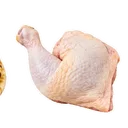
Thighs, not breast, and the yogurt goes in at the end. Everything that separates or dries out in eight hours is kept out until the last ten minutes.
- Prep
- 20 min
- Cook
- 4 hr 10 min
- Total
- 4 hr 30 min
- Serves
- 4
- Revisions
- 1
Allergens
- Milk
Named from the ingredients as written, including those carried in from sub-recipes. This is not a guarantee — check the labels on what you actually buy, and note that a product’s recipe can change.
Ingredients
Serves
Curry
To finish
Method
Curry
Heat the oil in a frying pan and cook the onions over medium heat for 15 minutes, until deep golden. This is the only step that decides whether the curry tastes of anything, and a slow cooker cannot do it.
Add the ginger and garlic and cook for 2 minutes.
Add the ground spices and the tomato purée and stir for 2 minutes, until the mixture is dark and smells cooked rather than dusty.
Scrape it into the slow cooker with the tomatoes, the chicken, the salt and the water.
Only 100ml of water goes in, and that is deliberate. The chicken will release a good deal of its own and nothing evaporates from a sealed pot.
Cover and cook on low for 4 hours. Thighs hold together and stay moist across that; breast is dry and stringy by hour two and there is no version of this recipe that fixes it.
To finish
Turn the cooker off and let the curry stop bubbling for 5 minutes.
Beat the yogurt smooth in a bowl and stir two ladles of the hot sauce into it, one at a time, before adding the lot back to the pot. Cold yogurt straight into a hot curry splits into grains and no amount of stirring recovers it.
Stir in the garam masala and the coriander, and taste for salt.
Serve with rice or naan.
Nobody has rated this recipe yet.
Sign in to rate this recipe. One rating per person, and you can change it.
What to expect
- Taste
Rounded and mildly spiced rather than hot, with real sweetness from the onions underneath. The yogurt gives a faint sourness and a softer finish. Kashmiri chilli gives colour rather than heat, so this is a curry most people find mild.
- Aroma
Warm ground spice all day, then a distinct second wave when the garam masala and fresh coriander go in at the end. That second wave is the reason both are added late.
- Texture
Soft chicken in a sauce with some body to it. Not smooth — this is a home-style curry with the onions cooked into it rather than a blended restaurant one.
- Sound
Silent for four hours.
- How the flavour moves
Sweet onion first, then warm spice, then a mild sour finish from the yogurt with the garam masala sitting over the top of it.
- Serve it
Hot. Serve straight from the pot once the yogurt is in.
- Goes with
Basmati rice, naan, and something sharp — sliced raw onion with lemon, or a cucumber raita.
Cook's notes
- Difficulty
Easy.
- Cost
Low.
- Equipment
A slow cooker and a frying pan.
- When to make it
A working day, or an afternoon.
- Best season
None.
- You know it is done when
The chicken opaque and pulling apart at the edges, the sauce a deep orange-red with oil at the surface.
- And it feels like
Thighs tender and just holding their shape, sauce coating rather than watery.
- Food safety
Chicken is safe at 74C/165F instantaneous (USDA) or 70C for two minutes / 75C instantaneously (UK Food Standards Agency), and four hours at 90C clears all of them comfortably. The slow-cooker-specific rules apply: never from frozen, never more than two-thirds full, and cool leftovers in shallow containers rather than in the crock, which stays warm for hours. Raw chicken hygiene applies to the board and to the pot.
- Where it goes wrong
- Putting raw onions and dry spice powder straight into the pot, which is why slow cooker curries have their reputation.
- Chicken breast, which is dry within two hours.
- Cold yogurt straight into a hot pot, which splits it into grains.
- Too much water, since nothing evaporates and the chicken releases plenty.
- Adding garam masala at the start, where its aroma is gone by hour two.
- If it does go wrong
Split yogurt: it went in too hot or untempered; it is still edible and a stick blender will smooth it. Thin: lid off on high for 30 minutes. Pale and flat: the onions were not browned, and there is no recovery within this cook. Bland: salt first, then a squeeze of lemon.
- Making it ahead
The onion and spice base can be made up to three days ahead and refrigerated, which turns the morning job into two minutes.
- Keeping it
Three days in the fridge.
- Reheating
Gently, and stop before it boils, or the yogurt will split on the second heating even though it survived the first.
- Freezing
Freezes for three months, though yogurt-finished sauces can look grainy on thawing. Freeze it before adding the yogurt if you plan ahead.
- Leftovers
In a wrap with pickled onion, or thinned with stock into a soup.
- Scaling it
Doubles within the pot's limits. Brown the onions in two batches.
- Substitutions
Chicken breast does not work here and it is worth being blunt about it: it is dry and fibrous within two hours. Bone-in thighs are excellent and add real body; take the skin off, which will not crisp in a wet pot. Tinned coconut milk instead of the yogurt makes a different and good curry.
- Dietary swaps
Contains milk from the yogurt only, so it is dairy free with coconut milk instead. Gluten free, egg free and nut free as written.
- Shopping for it
Kashmiri chilli powder from an Indian grocer; it is worth having and is not the same as ordinary chilli powder.
- Keeping the cost down
Thighs are cheaper than breast and better here, which is an unusually easy decision.
- Sustainability
Chicken has the lowest footprint of the common meats by a clear margin, so this is among the less costly meat dishes here. Thighs are also the part of the bird that is chronically less in demand than breast, and cooking them is a small push against that imbalance. A chickpea version — two tins, added for the last hour — works in this sauce without any other change.
- Nutrition
Lean-ish and high in protein. Thighs carry more fat than breast and that is what keeps them tender.
- Worth it?
Fifteen minutes with a frying pan is the difference between this and the slow cooker curry everyone complains about.
Where it comes from
- Origin
British-Indian home cooking.
- Also called
None precisely; this sits in the family of everyday north Indian and Pakistani chicken curries.
- Said out loud
Straightforward.
- What the name means
Curry is an English word of uncertain derivation, most often linked to the Tamil kari, applied broadly by colonial-era British writers to a wide range of unrelated dishes.
- History
The British curry is a real cuisine with a documented history: restaurants opened largely by Bangladeshi, especially Sylheti, and Pakistani proprietors from the 1950s onwards adapted dishes to available ingredients and to local expectations, and home cooking followed the restaurants. The dish here is domestic rather than restaurant-style — no cream, no cashew paste, no pre-made base gravy — which puts it closer to how curries are actually cooked in homes across the subcontinent.
- Why it matters
Curry is among the most-cooked meals in Britain, and the slow cooker version specifically belongs to weekday household cooking.
- When it is eaten
A working day.
- The traditional way
Browning onions to build the base, and bhuna — frying spices in fat until they stop tasting raw. Both survive the move to a slow cooker only by staying in a pan.
- How it changed
The simmer became a four-hour hold, and the yogurt moved from the middle of the recipe to the end.
- Regional variations
Enormous, and beyond the scope of one recipe. The yogurt-finished style is common across north India and Pakistan; coconut-based versions belong further south.
- How this version differs
The onions and spices are cooked in a frying pan rather than thrown in raw, which most slow cooker curry recipes do not do, and the yogurt is tempered rather than stirred straight in.
- Sources and credit
None.
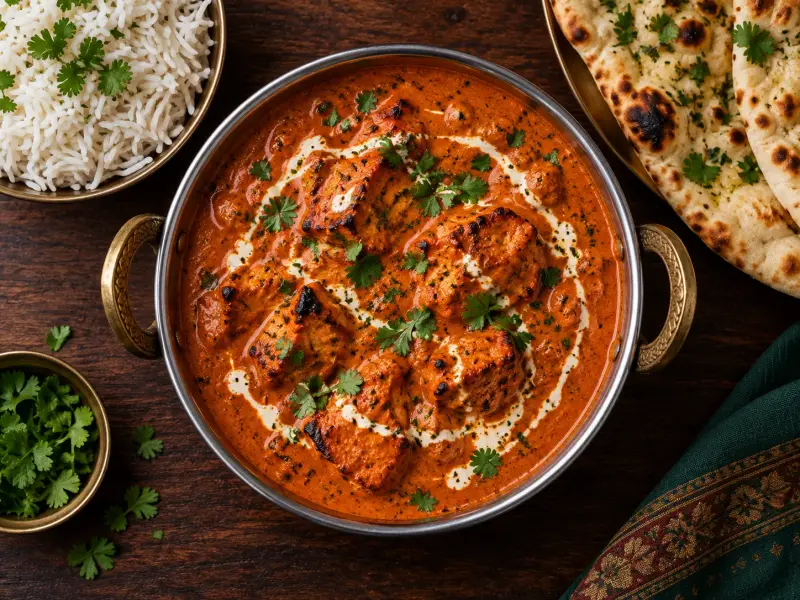 Butter Chicken
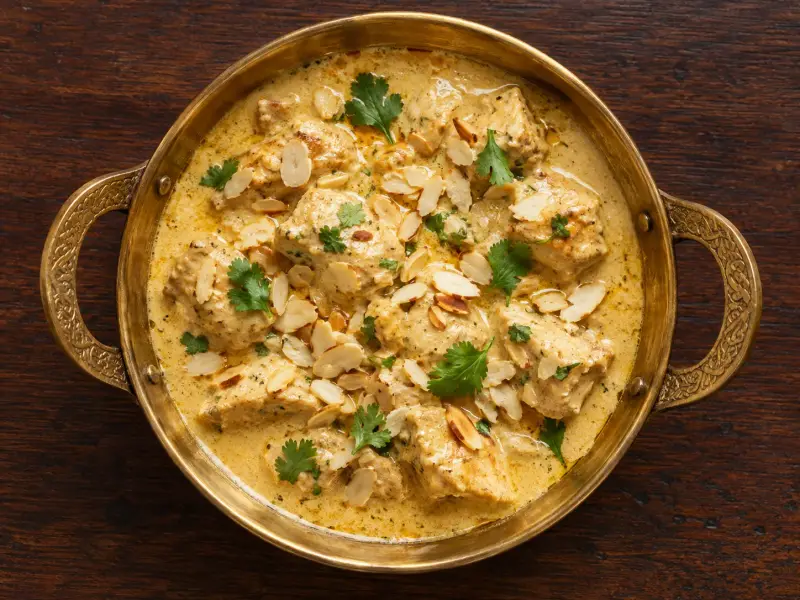 Chicken Korma
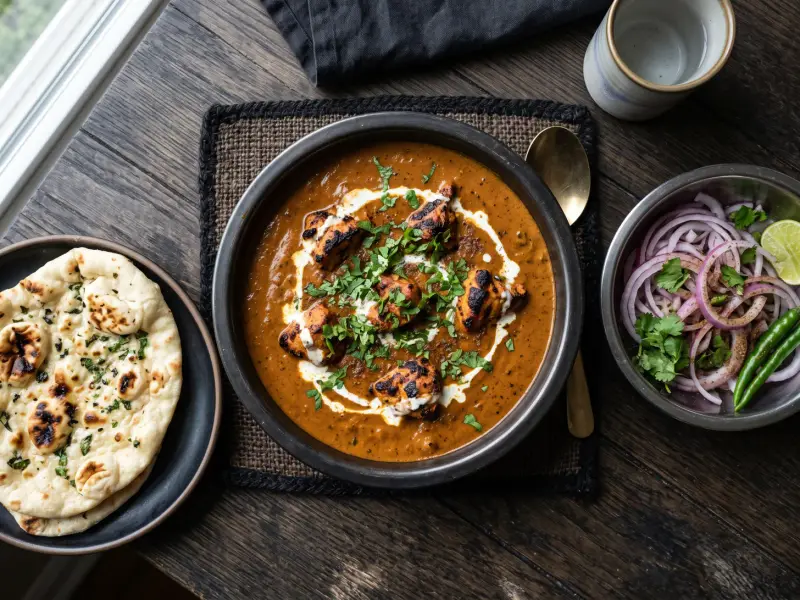 Chicken Tikka Masala
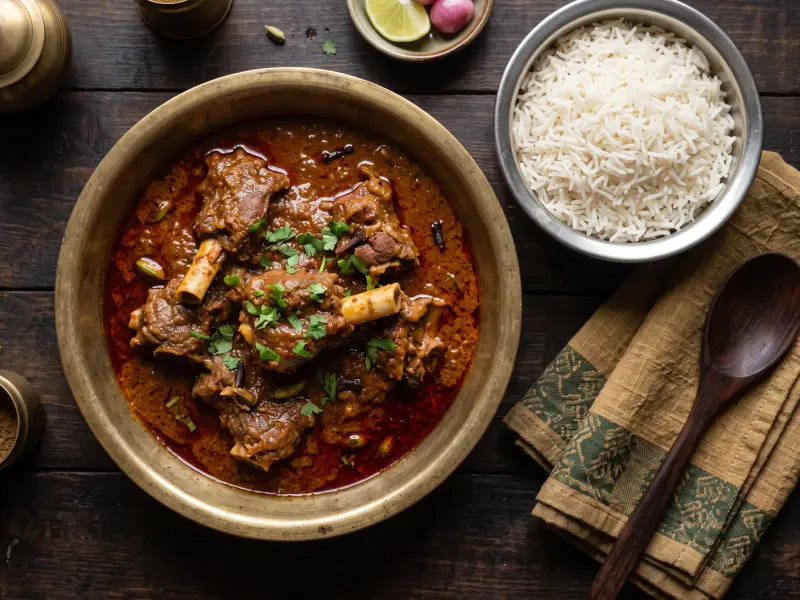 Lamb Rogan Josh
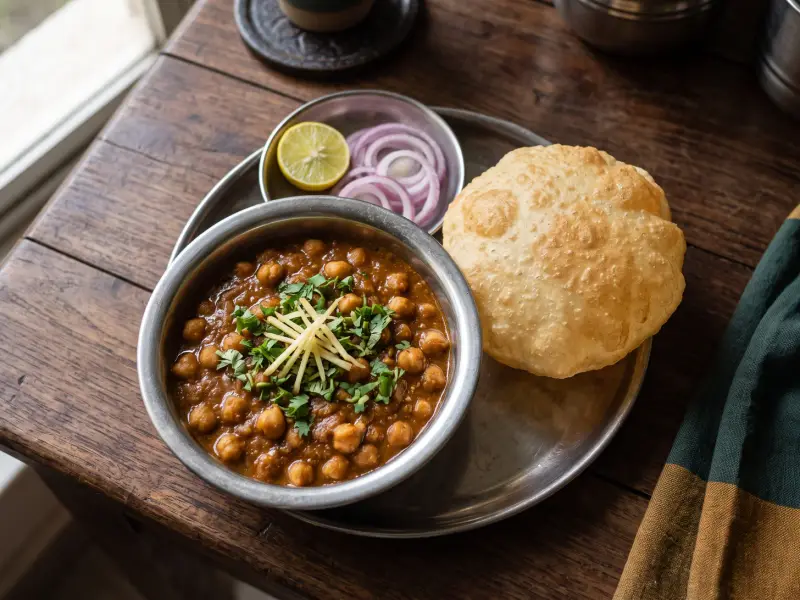 Chana Masala
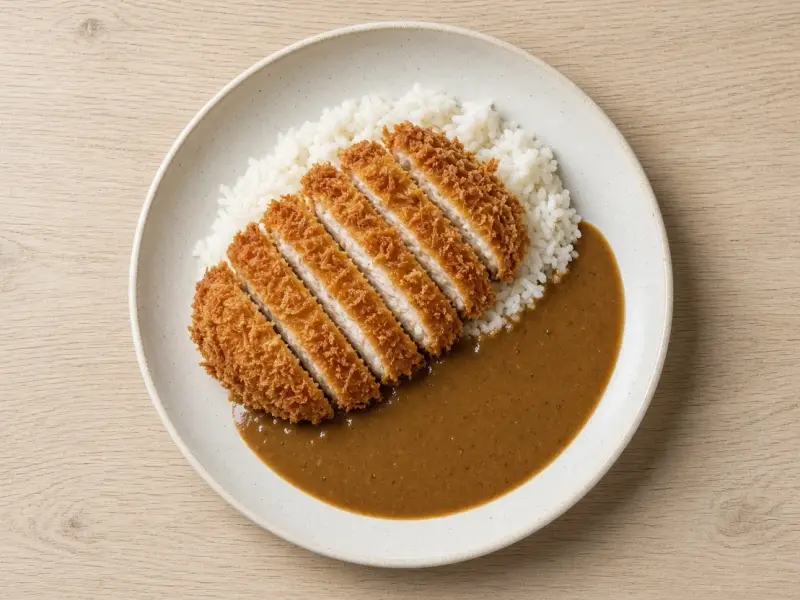 Chicken Katsu Curry
 Indian
 Curries
 Main courses
 Chicken