Creamy Tuscan Chicken
Sun-dried tomatoes, spinach and parmesan in a cream sauce reduced before the cheese goes anywhere near it, which is the difference between silky and grainy.
- Prep
- 15 min
- Cook
- 25 min
- Resting
- 5 min
- Total
- 45 min
- Serves
- 4
- Revisions
- 1
Allergens
- Milk
- Sulphites
Named from the ingredients as written, including those carried in from sub-recipes. This is not a guarantee — check the labels on what you actually buy, and note that a product’s recipe can change.
Ingredients
Serves
Method
Lay each breast flat and either slice it horizontally almost through and open it out, or beat it between two sheets of clingfilm to an even 1.5cm. A whole untrimmed breast is thick at one end and thin at the other, and that alone is why chicken breast has a reputation for eating dry.
Season both sides with the salt and pepper.
Heat the sun-dried tomato oil in a wide frying pan over medium-high heat.
Sear the chicken for 4 minutes without moving it, until it is deep gold underneath.
Turn and sear for 3 minutes more, then lift it onto a plate. It will be just short of done and finishes in the sauce.
Turn the heat to medium and add the butter, garlic and sun-dried tomatoes.
Cook for 1 minute, until the garlic is pale gold. A few seconds past that and it turns bitter, and bitterness in a cream sauce has nowhere to hide.
Pour in the wine and scrape the base of the pan clean, then simmer for 2 minutes until the sharp smell of alcohol has gone.
Add the stock and simmer for 3 minutes, until reduced by about half.
Pour in the cream and simmer gently for 4 to 5 minutes, until it coats the back of a spoon. Reduce it now, while there is no cheese in the pan: cream reduces happily and parmesan does not.
Turn the heat to low and stir in the parmesan a handful at a time until it has melted. Boiled in, it goes stringy and leaves the sauce grainy.
Return the chicken and any juices from the plate, spoon the sauce over it, and simmer very gently for 3 to 4 minutes until it reads 74C/165F at the thickest part of the breast.
Add the spinach in handfuls, folding each one under until just wilted, about a minute in total.
Take the pan off the heat and stir in the lemon juice, the chilli flakes and the basil. The lemon goes in off the heat because acid dropped into a boiling cream sauce is the other way it splits.
Leave it to stand for 5 minutes before serving, so the breast reabsorbs its juice rather than bleeding it into the sauce on the plate.
Nobody has rated this recipe yet.
Sign in to rate this recipe. One rating per person, and you can change it.
What to expect
- Taste
Rich and salty first, from cream and parmesan together, and the parmesan is doing most of the seasoning. The sun-dried tomatoes are the strongest single flavour in the pan: concentrated, sweet, slightly leathery and distinctly sour, and they are what keeps a sauce this heavy from being bland. Garlic sits underneath as sweetness rather than bite. Spinach adds a faint mineral bitterness that most people would not identify but would notice missing. The chicken itself contributes almost nothing beyond texture, which is honest to say about this dish.
- Aroma
Garlic softening in butter first, then a sharp lift when the wine goes in, then a heavy dairy smell that flattens everything else once the cream is in. Basil torn over the top at the end is the one bright note and it only exists for about a minute.
- Texture
Smooth and heavy, and it should coat the mouth. The sun-dried tomatoes are chewy and slightly resistant, which is the only real texture in the dish and matters more than it sounds. The spinach goes slippery. The chicken should be firm and juicy with a thin browned crust that survives being sauced, and if it has gone dry and fibrous the whole thing is over.
- Sound
Very little. A hard sear at the start and then almost nothing: the sauce should never bubble hard enough to be audible from across the room, and if it is, it is about to split.
- How the flavour moves
Salt and fat immediately, then the sun-dried tomato arrives as the sour-sweet middle, then a long dairy finish that coats and stays. It is a curve with no sharp end, which is the problem with the dish as usually written and the reason the lemon and the chilli go in: the acid cuts the finish short so you want another mouthful rather than a glass of water.
- Serve it
Hot, and it needs to be genuinely hot when served because the sauce thickens as it cools and a plate left standing sets. But it should not be scalding on arrival, since everything in it is already soft and rich and heat on top of that is tiring.
- Goes with
Something plain to carry it — tagliatelle, mashed potato or bread. A sharply dressed green salad on the side does more for it than any side dish that is also rich. Dry white wine, ideally the one that went in the pan.
Cook's notes
- Difficulty
Easy, with two moments where order matters.
- Cost
Mid. Cream, parmesan and sun-dried tomatoes are the cost, not the chicken.
- Equipment
One wide frying pan, clingfilm and a rolling pin, and a probe thermometer.
- When to make it
A weeknight with forty-five minutes.
- Best season
None.
- You know it is done when
The sauce should be ivory flecked with red and green, opaque, and glossy without any beads of separated fat on the surface. It should coat the back of a spoon and hold a line drawn through it with a finger.
- And it feels like
Smooth, with no grain on the tongue. Graininess means the parmesan met too much heat.
- Food safety
74C/165F at the thickest part of the breast, and the breast should come out of the pan at that and no higher.
- Where it goes wrong
- Cooking the breast whole and untrimmed, so it is thick at one end and dry at the other.
- Adding the parmesan while the sauce is boiling, which makes it stringy and grainy.
- Reducing after the cheese is in rather than before.
- Adding lemon juice to a boiling cream sauce, which curdles it.
- Using single cream, which cannot survive being reduced.
- Leaving the chicken in the pan while the sauce reduces, which overcooks it by several minutes.
- If it does go wrong
Grainy: the parmesan met too much heat and it cannot be fixed, only hidden by blending. Split with fat on top: it boiled after the cream went in. Thin: it did not reduce enough, and the fix is to lift the chicken out and reduce further. Bland despite all that dairy: it needs salt and it needs the lemon, and probably more parmesan.
- Making it ahead
Not a make-ahead dish. Cream sauces and chicken breast both suffer.
- Keeping it
Two days in the fridge.
- Reheating
Gently, covered, with a splash of stock. Do not boil it: the sauce will split on the second heating even if it survived the first.
- Freezing
Not recommended. Cream and parmesan sauces separate on thawing and the breast turns woolly.
- Leftovers
Chopped through pasta with a splash of the pasta water is better than reheating it as it stands.
- Scaling it
Sear in two batches. The sauce scales fine.
- Substitutions
The wine can be replaced with more stock plus a teaspoon of white wine vinegar added at the end. Chicken thigh works and is more forgiving. Kale instead of spinach needs two minutes rather than one and does not collapse the same way.
- Dietary swaps
Contains milk and sulphites. Gluten free and egg free as written. Parmesan is made with animal rennet, which matters to some vegetarians and is irrelevant here since the dish has chicken in it, but the substitution to a vegetarian hard cheese is worth knowing for the sauce alone.
- Shopping for it
Real parmesan rather than a pre-grated hard cheese, which contains anti-caking starch and will not melt cleanly.
- Keeping the cost down
Sun-dried tomatoes in oil from a jar go further than they look, and the oil is a second ingredient.
- Nutrition
250ml of double cream and 50g of parmesan across four servings, so it is a rich plate.
- Worth it?
Reduce, then cheese, then acid off the heat. That order is the recipe.
Where it comes from
- Origin
Not Tuscany, and no other origin can be given. It is a modern dish of the English-language recipe internet and casual restaurant menus.
- What the name means
Tuscan here is descriptive shorthand for sun-dried tomatoes, spinach, cream and parmesan, in the way that Mediterranean or rustic are used on menus. It is not a geographic claim and should not be repeated as one.
- History
There is nothing to record. Tuscan cooking is characterised by the opposite of this dish: olive oil rather than cream, beans and bread as staples, grilled and roasted meat, and very few enriched sauces. Sun-dried tomatoes belong more to southern Italian food traditions than to Tuscany. Presenting this as a regional Italian dish would be inventing a lineage that does not exist, and there is no need to: it is a good dish on its own terms.
- Why it matters
It is a genuine phenomenon of recipe-site cooking, in the same family as the other one-pan creamy chicken dishes that circulate widely, and worth acknowledging as that rather than dressing up.
- When it is eaten
A weeknight that wants to feel like more than a weeknight.
- The traditional way
None traditional. The technique it uses — reduce, then emulsify cheese in off the boil — is a standard French sauce principle applied to an Italian-flavoured pan sauce.
- How this version differs
The order of operations. Most published versions add the parmesan and cream together and then reduce, which is the most reliable way to make the sauce grainy. This one reduces first and adds the cheese at low heat afterwards, and it finishes the acid off the heat for the same reason.
- Sources and credit
None known, and this is a case where a confident attribution would be a fabrication.
Related recipes
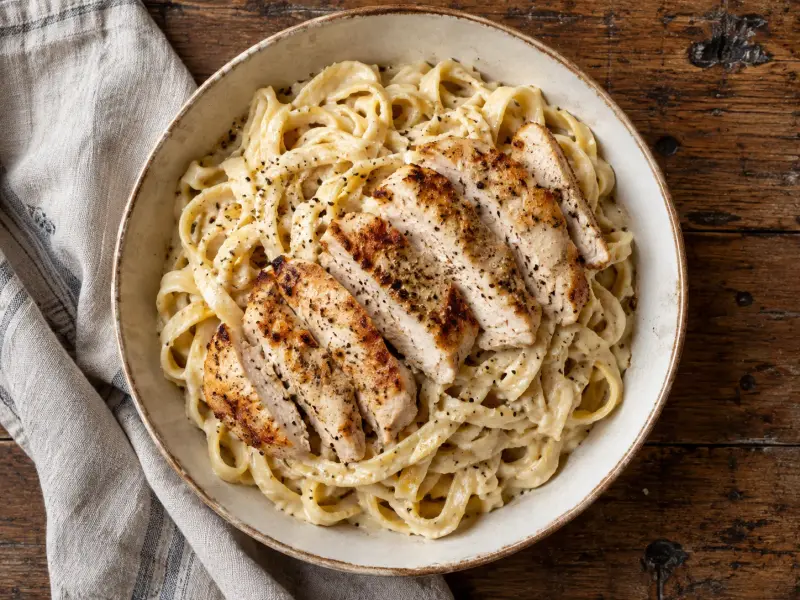 Chicken Alfredo
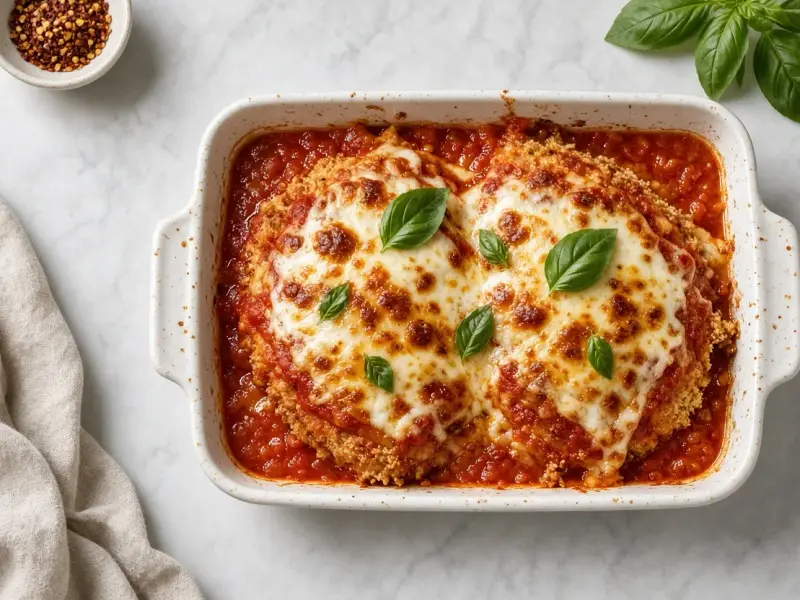 Chicken Parmigiana
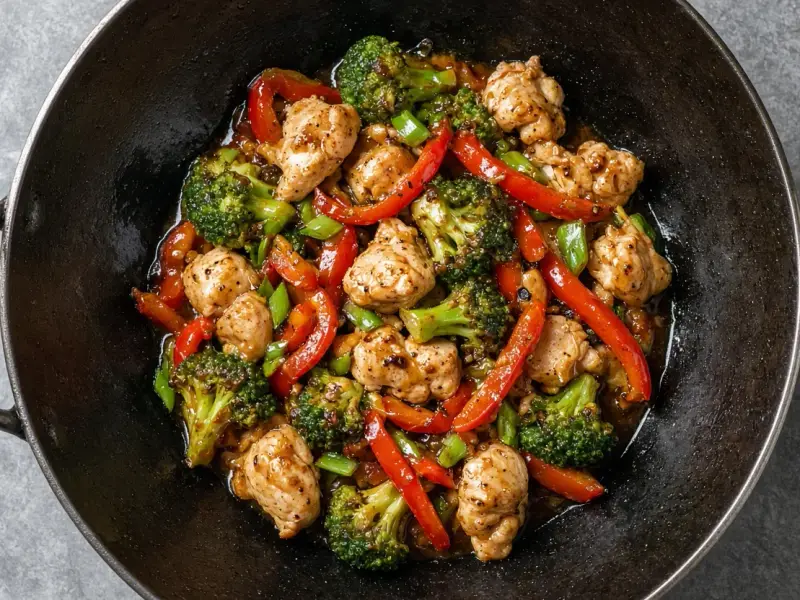 Chicken Stir Fry
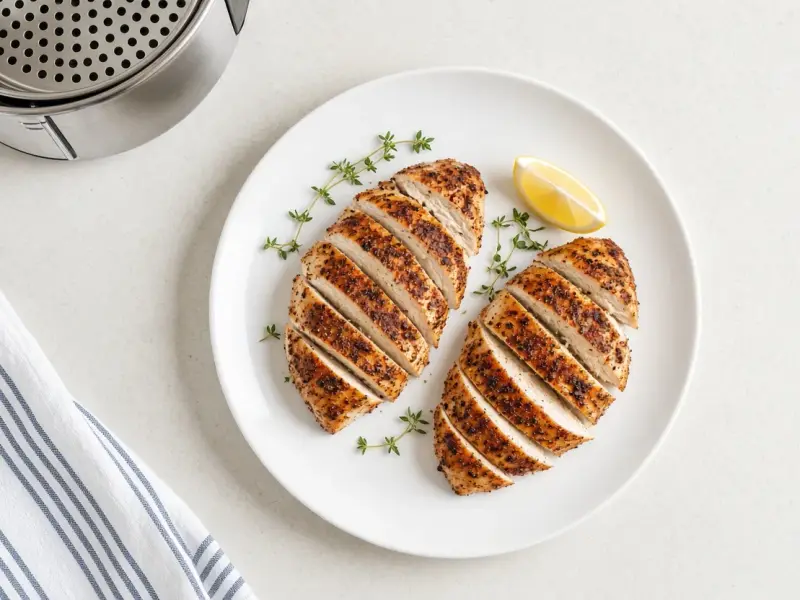 Air Fryer Chicken Breast
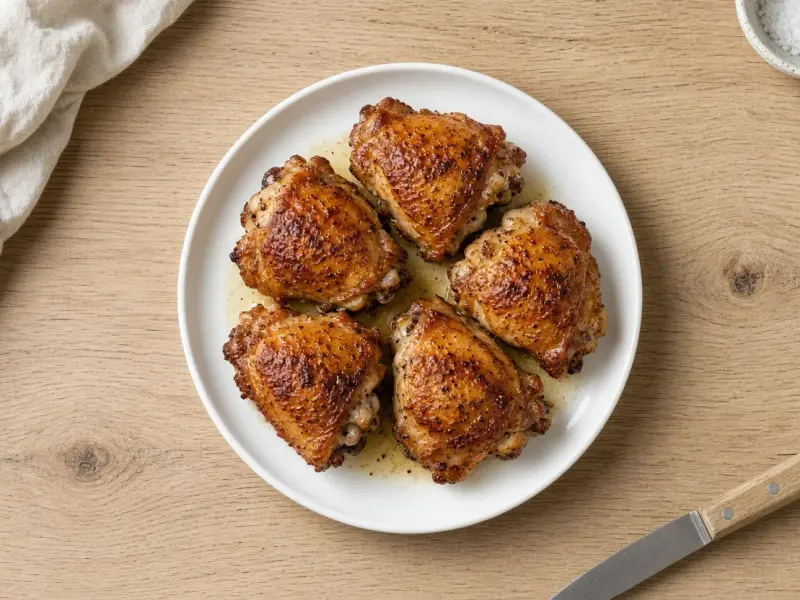 Air Fryer Chicken Thighs
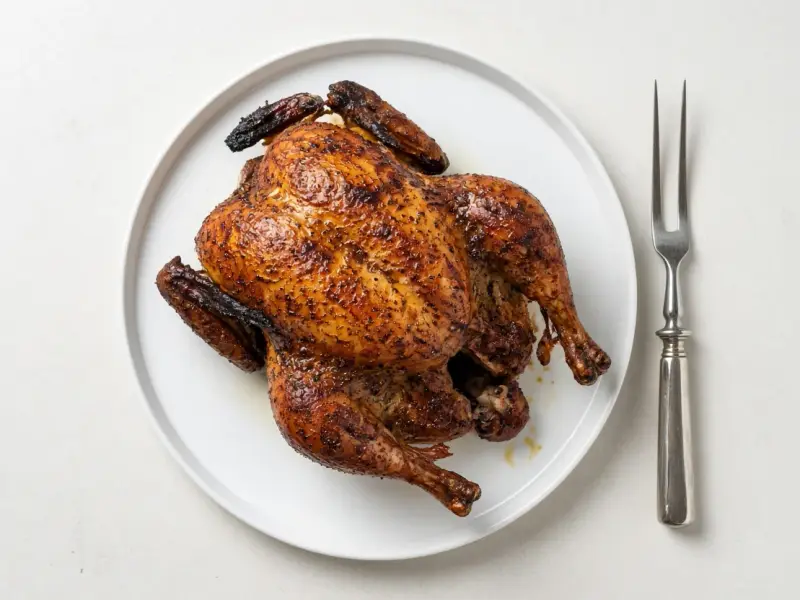 Air Fryer Whole Chicken
Categories
Courses & dish types
 Main courses
 Dinner
Main ingredients
 Chicken
 Cheese
 Leafy greens