Sausage and Potato Traybake
The potatoes get a fifteen-minute head start, which is the whole recipe. Everything on one tray at once gives you either raw potato or burnt sausages.
- Prep
- 15 min
- Cook
- 55 min
- Total
- 1 hr 10 min
- Serves
- 4
- Revisions
- 1
Allergens
- Cereals containing gluten
- Sulphites
Named from the ingredients as written, including those carried in from sub-recipes. This is not a guarantee — check the labels on what you actually buy, and note that a product’s recipe can change.
Ingredients
Serves
Traybake
To finish
Method
Traybake
Heat the oven to 200C fan and put your largest roasting tray in to heat with it.
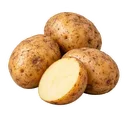
Toss the potatoes with 2 tablespoons of the oil and the salt.
Tip them onto the hot tray, cut sides down, and roast for 15 minutes. They need this head start: potatoes take about twice as long as sausages, and everything going in together is why most traybakes end up with one thing wrong.
Add the sausages, onions, pepper, unpeeled garlic and rosemary, turn everything through the remaining oil, and spread it into a single layer.
A crowded tray steams. If it will not fit in one layer with gaps, use two trays — this is the difference between roasted and boiled.
Roast for 25 minutes.
Turn everything over and roast for a final 15 minutes, until the sausages are burnished all over and the potato edges are crisp and dark gold.
To finish
Whisk the mustard, vinegar and honey together.
Squeeze the soft garlic out of two of the skins and mash it into the dressing.
Pour it over the hot tray, turn everything through it and serve straight from the tray.
Nobody has rated this recipe yet.
Sign in to rate this recipe. One rating per person, and you can change it.
What to expect
- Taste
Roasted and sweet, with the mustard and vinegar cutting through at the end. The roasted garlic in the dressing is mild and nutty rather than sharp, which surprises people.
- Aroma
Sausage fat and rosemary. It is a smell that fills a kitchen in the last twenty minutes rather than the first.
- Texture
Crisp potato edges, soft potato middles, yielding onion and a firm sausage. Every component is a different texture, which is why it works as a single tray.
- Sound
Sizzling when the tray comes out, and the fizz when the vinegar dressing hits it.
- How the flavour moves
Salt and roasted fat first, then sweetness from the onion and honey, then a sharp mustard finish.
- Serve it
Very hot, straight from the oven, and the dressing goes on while it is still hot so it is absorbed rather than sitting on top.
- Goes with
Nothing needed. A green salad or steamed greens if you want one.
Cook's notes
- Difficulty
Beginner.
- Cost
Low.
- Equipment
The largest roasting tray you own, and a second one if the first is not large enough.
- When to make it
A weeknight, ten minutes of work.
- Best season
Peppers in late summer, but it works all year.
- You know it is done when
Potatoes with crisp, dark-gold cut faces and sausages burnished all over rather than pale on one side. The onion wedges should be soft with blackened tips.
- And it feels like
Crisp outside and floury inside on the potato, and a sausage with a taut skin.
- Food safety
Sausages are minced meat and the centre must be properly cooked; 75C/167F is a comfortable target and colour is not a reliable test. Forty minutes at 200C clears it easily unless the tray was overcrowded, which is the case where it is worth checking with a probe.
- Where it goes wrong
- Everything on the tray at once, which is the single reason traybakes fail.
- Crowding, which steams instead of roasting. Two trays is always better than one full one.
- A cold tray, which the potatoes stick to.
- Peeled garlic, which burns.
- Onion wedges with the root cut off, which fall apart and scorch.
- No dressing, which leaves it a tray of separate roasted items rather than a dish.
- If it does go wrong
Potatoes not crisp: the tray was crowded or the oven was not hot enough. Sausages splitting: normal at this temperature and harmless. Anything catching: turn it and cover the tray loosely with foil for the last ten minutes.
- Making it ahead
Poorly. The whole appeal is straight out of the oven.
- Keeping it
Two days in the fridge.
- Reheating
In a hot oven or an air fryer, not a microwave, which softens everything that was crisp.
- Freezing
Not recommended. Roast potatoes do not survive it.
- Leftovers
Fried up in a pan with an egg on top.
- Scaling it
Two trays rather than one deeper one, and swap their shelves halfway.
- Substitutions
Any waxy or all-rounder potato. Sweet potato does not work in the same timings — it needs about 15 minutes less, so add it with the sausages. Chicken thighs instead of sausages, same timings.
- Dietary swaps
Contains gluten from the rusk in most British sausages and sulphites, which are a standard sausage preservative. Gluten-free sausages make the whole dish gluten free. Dairy free, egg free and nut free as written.
- Shopping for it
Small potatoes sold as new or salad potatoes hold their shape best.
- Keeping the cost down
Cheap, apart from the sausages, which are worth spending on here.
- Sustainability
Two-thirds of this tray is vegetable already, and the easiest improvement is to add more of it rather than change the sausage — another pepper, a head of broccoli added for the last 15 minutes, a tin of chickpeas turned through for the last 20. Six sausages instead of eight is not a noticeable loss when the tray is full. Good vegetarian sausages roast well here, unlike in wetter dishes.
- Nutrition
Reasonable, and improvable by adding more vegetables to the tray rather than more sausages.
- Worth it?
Fifteen minutes of head start for the potatoes. That is the entire fix and nobody writes it down.
Where it comes from
- Origin
Modern British home cooking.
- Also called
None.
- Said out loud
Straightforward.
- What the name means
A traybake is defined by the washing up rather than by the food, which is unusual for a dish name and says something about why the form exists.
- History
Roasting sausages with vegetables is old and unremarkable. The traybake as a named genre is a product of the last few decades of British food writing, driven by smaller households, less time and a shift in what recipe readers are actually asking for — which is very often 'what can I make with one pan'.
- Why it matters
One of the defining forms of contemporary British weeknight cooking, and a genuinely useful one.
- When it is eaten
Any weeknight. It is also the easiest thing here to cook for people who are arriving at an unknown time, since it holds in a warm oven.
- The traditional way
Dry roasting at a high temperature in a single layer.
- How it changed
Nothing much; it is a modern form and this is a modern version of it.
- Regional variations
None to speak of.
- How this version differs
The potato head start and the empty tray preheated in the oven, neither of which most traybake recipes specify, and both of which are the difference between roasted and steamed. The dressing made with garlic roasted in the tray is the other addition.
- Sources and credit
None.
 Cottage Pie
 One-Pot Sausage and Bean Casserole
 Shepherd's Pie
 Air Fryer Whole Chicken
 Chicken and Chorizo Rice
 Chicken and Mushroom Pie
 British
 Main courses
 Dinner
 Pork
 Potatoes