Cuisines
Korean recipes
Fermentation, banchan, and gochujang.
Korean cooking combines fermentation, chilli, sesame, garlic and a careful contrast of textures. Gochujang and gochugaru bring different kinds of heat, kimchi brings acidity and crunch, and soy, rice vinegar and sugar build the savoury-sweet balance found in many sauces. The recipes here include fast pan dishes, fried chicken and deeper stews. They explain the order of operations, since a paste added too early can scorch and noodles left in a hot sauce can go soft before the meal reaches the table.
3 recipes
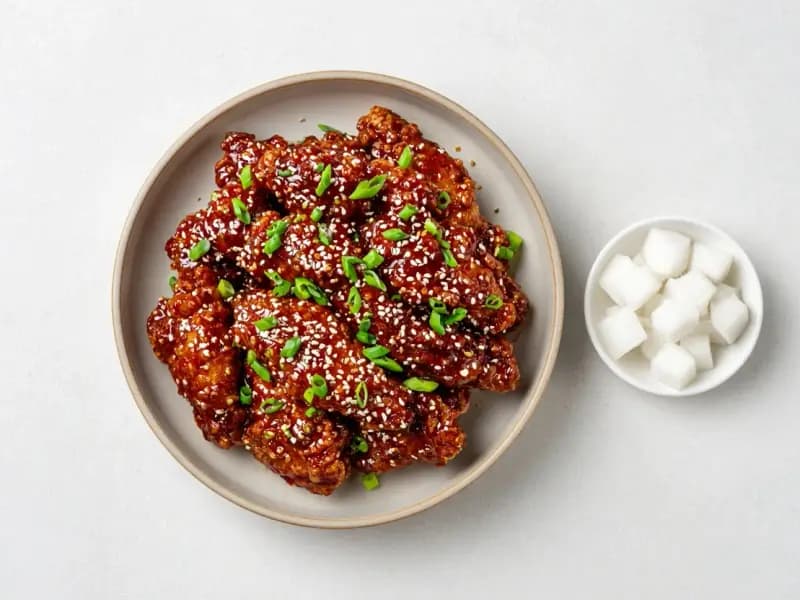
Korean Fried Chicken
Fried twice, with a rest between. The first fry cooks it and the second drives off the surface moisture, which is why the coating stays crisp under sauce.
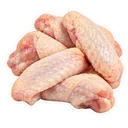

 Korean
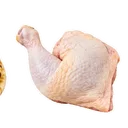 Chicken
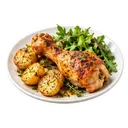 Main courses
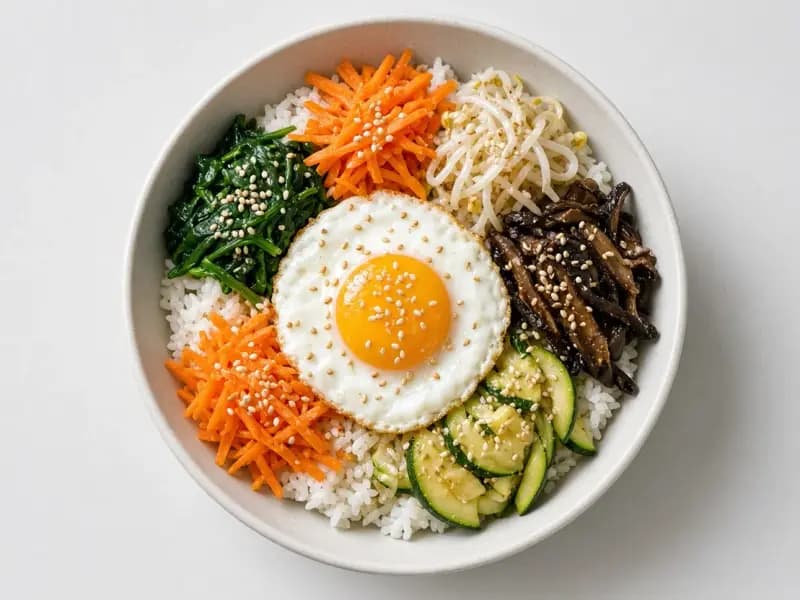
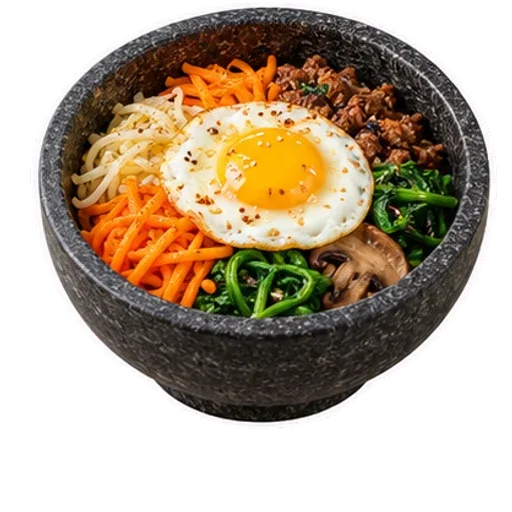
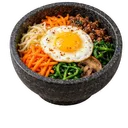
Bibimbap
Each vegetable seasoned and cooked separately, then arranged in its own section. The point is that everything tastes of itself until the moment it is stirred together.
 Dinner
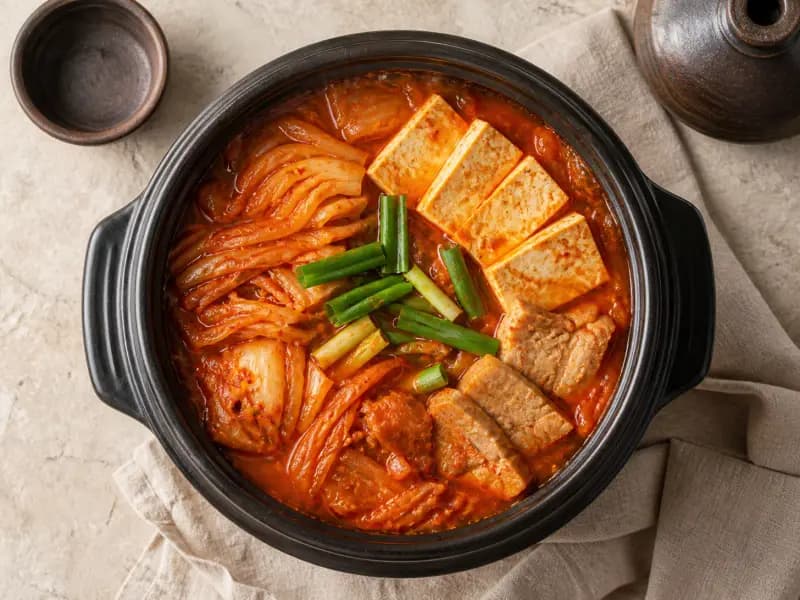
Kimchi Jjigae
The stew that exists because kimchi got too sour to eat straight. Old kimchi is not a compromise here — it is the whole point.
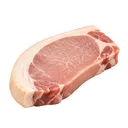 Pork
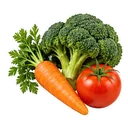 Korean + Vegetarian
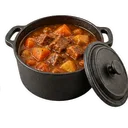 Korean + Stews
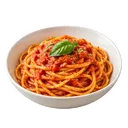 Italian
 French
 Spanish
 Lebanese
 Middle Eastern
 Indian
 Thai
 Vietnamese
 Chinese
 Japanese
 Mexican