Kvass
Квас
Kvas
A lightly fermented drink made from dried dark rye bread, sugar and yeast, sour and faintly sweet.
- Prep
- 20 min
- Cook
- 20 min
- Resting
- 42 hr
- Total
- 42 hr 40 min
- Serves
- 8
- Revisions
- 5
Allergens
- Cereals containing gluten
- Sulphites
Named from the ingredients as written, including those carried in from sub-recipes. This is not a guarantee — check the labels on what you actually buy, and note that a product’s recipe can change.
Ingredients
Serves
Method
Heat the oven to 150C/300F.
Spread the rye bread over a baking tray in a single layer.
Bake for 15-20 minutes, until the pieces are dry right through and the cut edges have gone a deep brown.
Stop well short of black. Burnt crust turns the whole batch bitter and there is nothing you can add later to take it out again, so pull the tray the moment the colour looks like strong coffee.
Tip the dried bread into a large non-reactive tub or stockpot.
Bring the 3 litres of water to a full boil at 100C/212F and pour it over the bread.
Cover the tub with a cloth and leave it for 6-8 hours, until the liquid has cooled to room temperature and gone dark brown.
Set a colander lined with a double layer of muslin over a second container and pour the infusion through it.
Let it drip on its own and do not press or wring the bread. Squeezing pushes fine sour crumb through the cloth, and kvass made from pressed mash stays muddy and tastes of stale bread rather than of ferment.
Stir the sugar into the strained liquid until no grains are left on the bottom.
Check the temperature before the yeast goes anywhere near it: it must be no warmer than 30C/86F, because hotter than that kills the yeast outright and the batch will simply sit there.
Whisk the dried yeast into the liquid.
Cover with a cloth rather than a lid and leave to ferment at 20-22C/68-72F for 24-36 hours.
It is ready when a steady fine foam sits on the surface, the smell has turned sharp and bready, and a spoonful tastes sour with only a trace of sweetness behind it.
Pour it into plastic bottles or swing-top bottles, leaving at least 5cm of empty space at the neck.
Drop three or four raisins into each bottle, which restarts a slow ferment and puts the fizz in.
Loosen each cap once a day for the first two days. Fermentation carries on in the bottle and the gas has nowhere to go; a sealed glass bottle left warm can build enough pressure to burst, and a plastic bottle that has gone rock hard is telling you the same thing.
Refrigerate the bottles for at least 12 hours before opening, which slows the ferment right down and settles the sediment.
Open cold bottles slowly over a sink, since even a chilled one can foam over.
Serve very cold, with the mint leaves dropped into the jug.
Drink it within a week and keep it refrigerated throughout. It goes on souring, and by the second week it is closer to vinegar than to a drink.
Nobody has rated this recipe yet.
Sign in to rate this recipe. One rating per person, and you can change it.
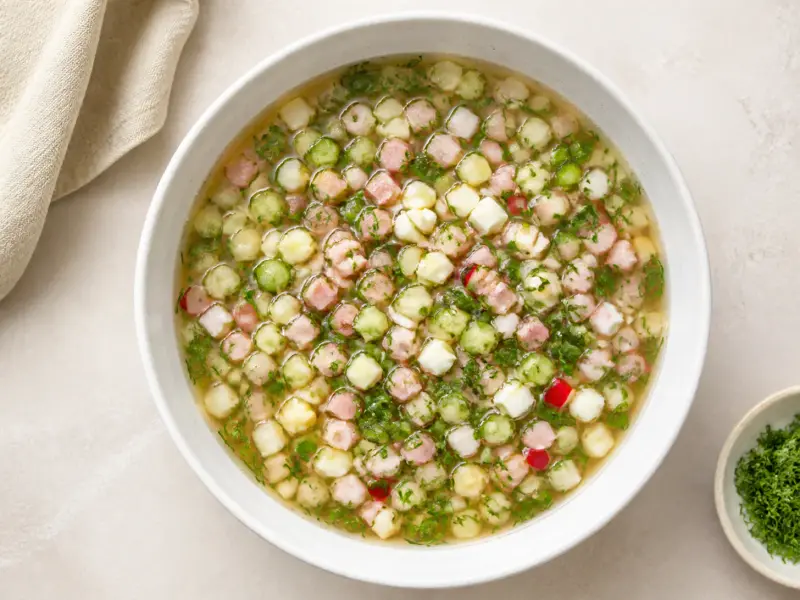 Okroshka
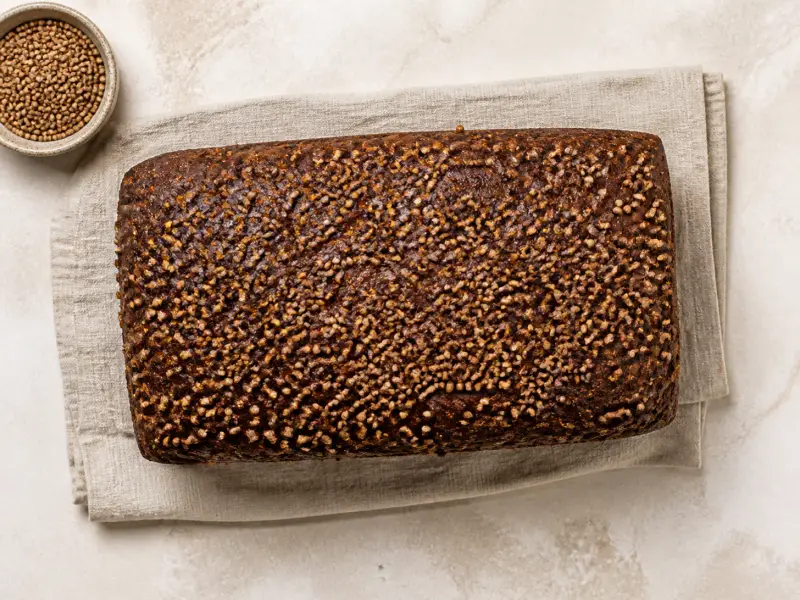 Borodinsky Rye Bread
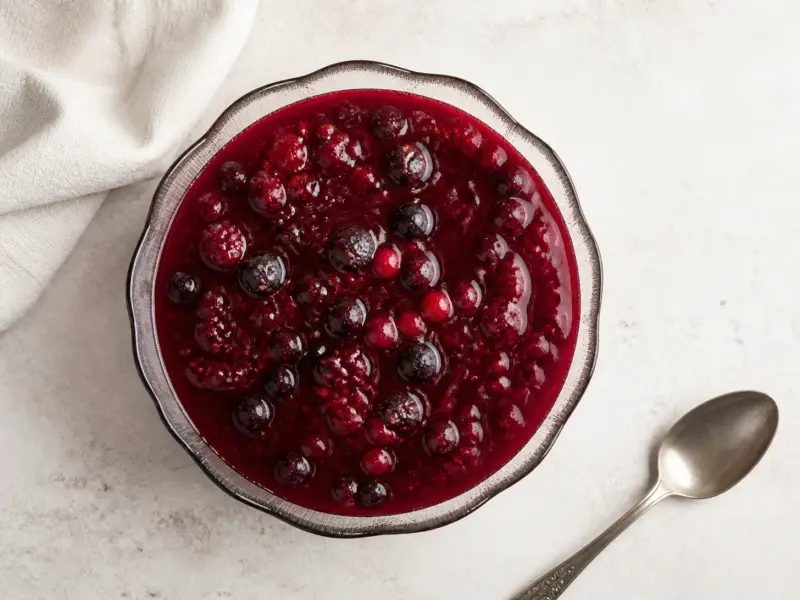 Kissel
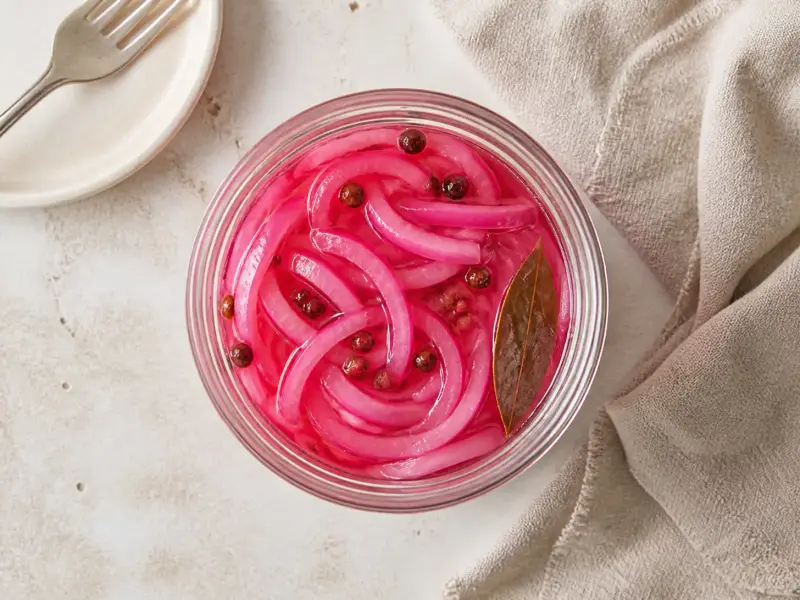 Quick Pickled Red Onions
 Quick Salted Cucumbers
 Vinegret
 Wet Brine for Chicken and Pork