Garlic Bread
Raw garlic crushed into soft butter, not cooked first, and pushed into cuts that stop short of the base so the loaf stays in one piece.
- Prep
- 10 min
- Cook
- 20 min
- Total
- 30 min
- Serves
- 6
- Revisions
- 1
Allergens
- Cereals containing gluten
- Milk
Named from the ingredients as written, including those carried in from sub-recipes. This is not a guarantee — check the labels on what you actually buy, and note that a product’s recipe can change.
Ingredients
Serves
Bread
Butter
Method
Butter
Heat the oven to 200C fan.
Crush the garlic to a paste with the flaky salt, using the flat of a knife on a board.
The salt is an abrasive here as much as a seasoning: it grinds the garlic into a smooth paste that spreads evenly, where chopped garlic stays in pieces that scorch in the oven and taste harsh.
Beat the garlic paste into the very soft butter with the parsley, Parmesan if using, and pepper.
Use raw garlic, not garlic softened in a pan first. Twenty minutes in a hot oven inside butter is exactly the gentle cooking it needs, and pre-cooking it gives a sweet, flat flavour with none of the bite the dish is named for.
Bread
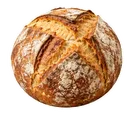
Cut the loaf at 2cm intervals on a slight diagonal, going down to within 1cm of the base and no further, so it stays joined.
Push butter into every cut with a knife, and spread whatever is left over the top.
Wrap the loaf in foil, leaving the top folded rather than sealed tight.
Bake for 15 minutes wrapped, then open the foil out and bake for a further 5 to 7 minutes to crisp the top.
Wrapped first, then opened: the foil traps steam so the butter melts through the crumb rather than running out onto the tray, and the open finish is what browns it.
Serve immediately, pulled apart at the cuts.
Nobody has rated this recipe yet.
Sign in to rate this recipe. One rating per person, and you can change it.
What to expect
- Taste
Garlic first and unapologetically, then butter and salt, with parsley giving a green freshness that stops it being heavy.
- Aroma
The best-smelling thing in this batch, and it announces itself from the moment the foil is opened.
- Texture
The contrast between a crisp top crust and a soft, almost wet crumb underneath.
- Sound
The crust cracking as pieces are pulled apart.
- How the flavour moves
Garlic and salt immediately, then butter, then a lingering garlic warmth.
- Serve it
Hot, and it goes downhill fast — this is a side dish to serve the moment it comes out.
- Goes with
Pasta, soup, a salad, or on its own. It is a side dish that regularly outshines what it is served with.
Cook's notes
- Difficulty
Beginner.
- Cost
Very low.
- Equipment
Foil and a knife.
- When to make it
Alongside almost anything.
- Best season
None.
- You know it is done when
A crisp browned top and butter visibly soaked into the crumb rather than pooled underneath.
- And it feels like
Crisp crust, soft saturated crumb.
- Food safety
Nothing unusual.
- Where it goes wrong
- Cutting all the way through, so the loaf falls apart.
- Chopped rather than crushed garlic, which scorches into bitter pieces.
- Melted butter instead of soft, which separates and runs out.
- Softening the garlic in a pan first, which gives a flat sweet flavour.
- Baking it open the whole time, so the butter runs onto the tray.
- Making it early and letting it sit, when the crust goes soft.
- If it does go wrong
Butter on the tray: it was melted, or baked unwrapped. Bitter: the garlic was chopped and caught. Soggy top: it never got the open stage. Not garlicky enough: six cloves is not many for a whole loaf; use eight.
- Making it ahead
The butter, days ahead or frozen. Assembled and frozen whole is better still.
- Keeping it
The butter keeps a week in the fridge or three months frozen, which is the useful thing to make ahead.
- Reheating
In foil at 180C for 10 minutes.
- Freezing
Assemble the whole loaf, wrap in foil and freeze for two months. Bake from frozen, wrapped, for 25 minutes then open for 7.
- Leftovers
Blitzed into garlicky breadcrumbs for pasta.
- Scaling it
Linear.
- Substitutions
Ciabatta gives a more open crumb that soaks up more butter; a baguette gives more crust per piece. Both work. Olive oil instead of butter is closer to Italian practice and is a different dish.
- Dietary swaps
Contains gluten and milk. Vegetarian if the Parmesan is a rennet-free hard cheese or left out. Vegan with a plant butter, which works well here. Egg free and nut free.
- Shopping for it
Nothing unusual.
- Keeping the cost down
One of the cheapest things here, and a good use of a loaf that is a day past its best — slightly stale bread absorbs the butter better.
- Sustainability
Bread and dairy, and its best feature is that it is a use for bread that is going stale — bread is among the most-wasted foods in British households and a day-old loaf is actively better here than a fresh one. Plant butter works genuinely well in this recipe, which is not true of everything, so the dairy is the easiest thing in the collection to swap without loss.
- Nutrition
Bread and butter, and it does not pretend otherwise.
- Worth it?
Wrap it, then open it. Fifteen minutes and five, and the butter ends up in the bread.
Where it comes from
- Origin
Italian-American.
- Also called
None; bruschetta is the Italian relative and is a different dish.
- Said out loud
Straightforward. Bruschetta is broo-SKET-ta, with a hard k.
- What the name means
Descriptive.
- History
Grilled bread rubbed with a cut garlic clove and dressed with olive oil and salt is old, rural and genuinely Italian — bruschetta, from bruscare, to roast over coals. The buttered, parsleyed, foil-baked loaf is an Italian-American development, made with the ingredients available and the tastes of a new market, and it reached Britain through pizzerias and then the freezer aisle. It is a good dish and it is not Italian.
- Why it matters
A fixture of British pizzerias and freezers, and one of the most reliably popular things on any table.
- When it is eaten
Alongside pasta or soup, or as something to put out while people wait.
- The traditional way
None to speak of.
- How it changed
Oil became butter and the loaf became a foil parcel.
- Regional variations
Bruschetta, which is toasted rather than baked and uses raw garlic and oil with no butter and no herbs.
- How this version differs
The wrapped-then-opened bake and the garlic crushed to a paste with salt, both of which are small and both of which are the difference between butter in the bread and butter on the tray.
- Sources and credit
None.
 Air Fryer Chips
 Air Fryer Roast Potatoes
 Braised Red Cabbage
 Braised White Beans with Sage
 Cauliflower Cheese
 Crumpets
 Italian
 British
 Bread
 Side dishes
 Vegetarian