Crushed Roast Potatoes
Floury potatoes parboiled, crushed flat and roasted in hot fat, so the broken surfaces crisp into edges a whole roast potato never gets.
- Prep
- 15 min
- Cook
- 1 hr
- Total
- 1 hr 15 min
- Serves
- 6
- Revisions
- 5
Ingredients
Serves
Method
Heat the oven to 220C/425F.
Cut the peeled potatoes into even pieces about 6cm across, halving the small ones and quartering anything large. Evenness matters more than the exact size, since a tin of mixed pieces has some collapsing while others are still hard in the middle.
Put them in a large pan with the 3 litres of water, the 15g of fine salt and the bicarbonate of soda.
Bring to the boil and cook for 10-12 minutes, until a knife point slides 1cm into a piece with no resistance and the centre still holds firm.
Expect the water to go cloudy, which is the bicarbonate doing its work: it breaks the surface starch down into the soft, ragged layer you are about to crush.
Stop the boil there. Potatoes cooked all the way through fall apart under the mug and there is nothing whole left to lift into the tin.
Pour the fat into a large roasting tin and slide it into the oven while the potatoes boil.
Drain the potatoes in a colander.
Leave them in the colander for 10 minutes, uncovered, until the steam has stopped and the surfaces look chalky and dry. Wet potatoes drop the temperature of the fat, spit hard, and have to boil themselves dry before any crisping can start.
Set the drained potatoes out on a board with space between them.
Press each one down with the base of a mug or a flat fish slice, until it is about 2cm deep and the edges have split into ragged flaps.
Crush them to break the surface open rather than to flatten them. Every crack and torn edge is somewhere the fat gets in and the starch crisps, which is the whole point of the method, and a potato pressed thin has no fluffy inside left to contrast with it.
Take the tin out of the oven and drop in a scrap of potato. It should sizzle hard on contact; fat that only bubbles gently is not hot enough, and potatoes laid into it sit and drink it instead of frying, so they come out heavy, greasy and pale.
Lay the crushed potatoes into the hot fat in a single layer, with a couple of centimetres of bare metal around each one.
Use two tins rather than packing one. Crowding is what ruins this dish: the steam coming off the potatoes cannot escape, the tin never climbs back to browning temperature, and they steam themselves soft and blond instead of crisping.
Spoon a little of the hot fat over the top of each potato.
Roast for 30 minutes.
Turn each potato with a fish slice, scraping underneath it rather than dragging, so the crust lifts with the potato instead of staying welded to the tin.
Scatter the garlic cloves and rosemary sprigs into the tin now rather than at the start, since a full 50 minutes at this heat scorches both and burnt rosemary is acrid right through the tray.
Roast for a further 15-20 minutes, until the edges are deep brown and brittle and a potato taps hard against the side of the tin.
Lift them out onto a warm platter rather than leaving them sitting in the tin, where the fat in the base softens the undersides within minutes.
Scatter with flaky salt and serve straight away.
Roast them alongside the roast chicken with lemon and thyme in this collection if the oven is busy, allowing 20 minutes longer at the chicken's 190C/375F and turning the heat up to 220C/425F for the last stretch while the bird rests.
Nobody has rated this recipe yet.
Sign in to rate this recipe. One rating per person, and you can change it.
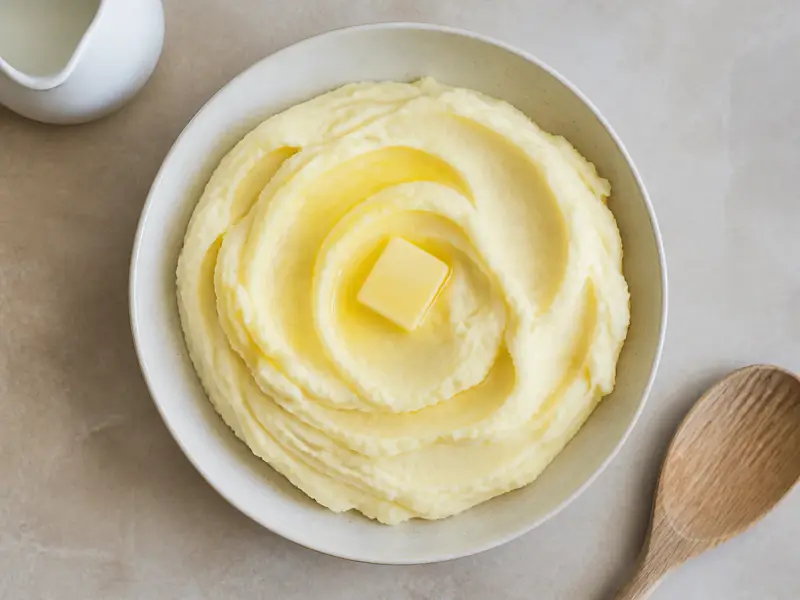 Buttery Mashed Potato
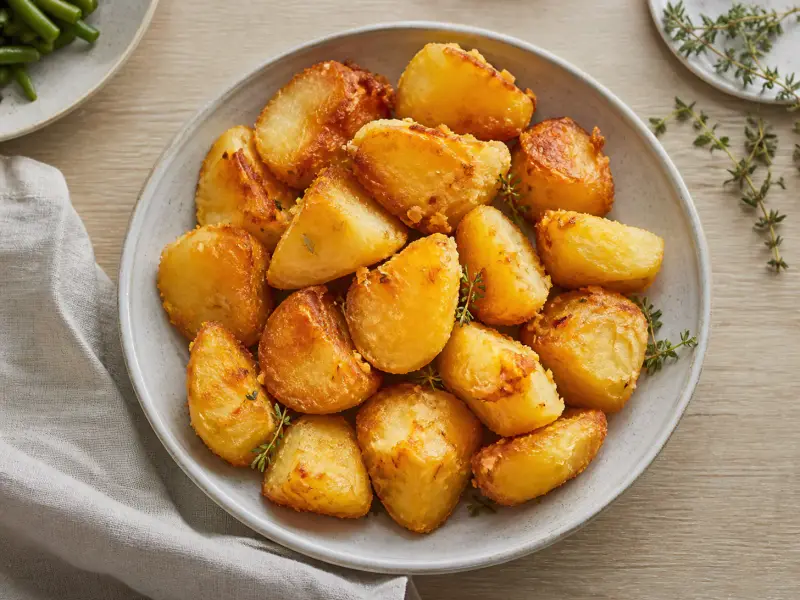 Crisp Roast Potatoes
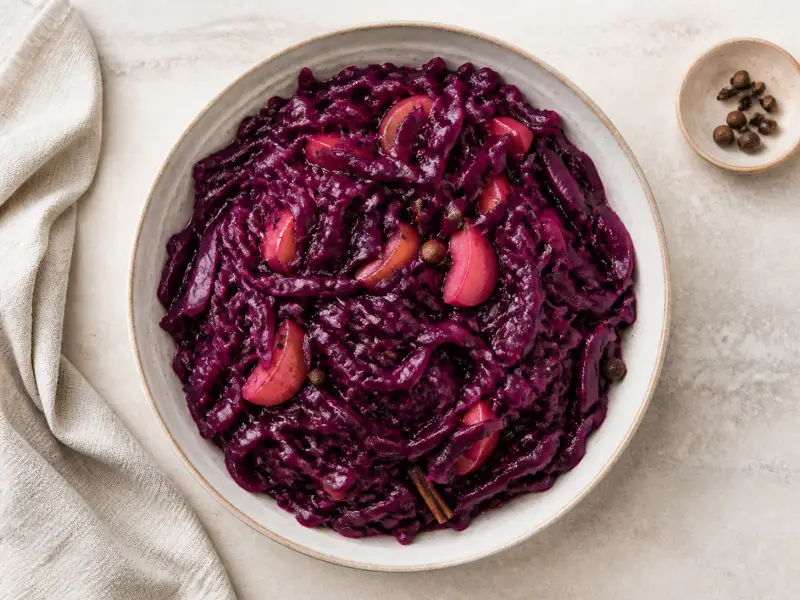 Braised Red Cabbage
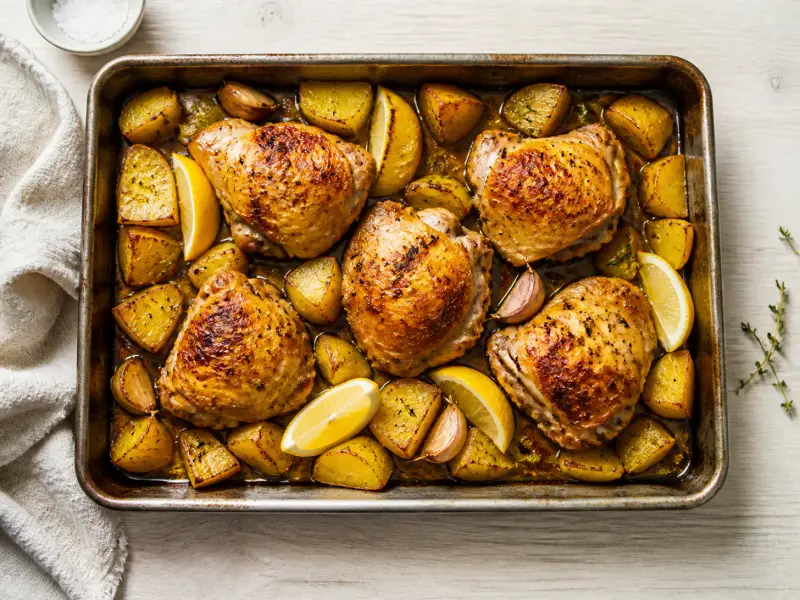 Chicken Thigh and Potato Traybake
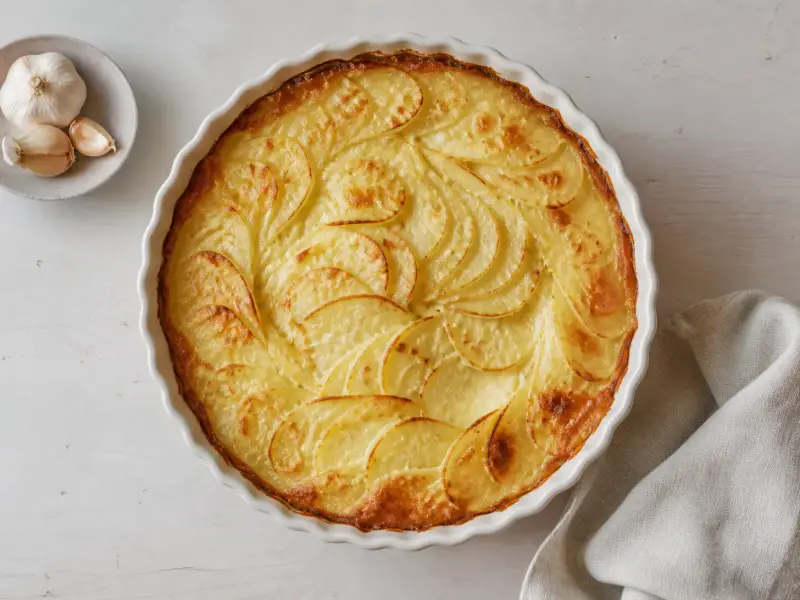 Gratin Dauphinois
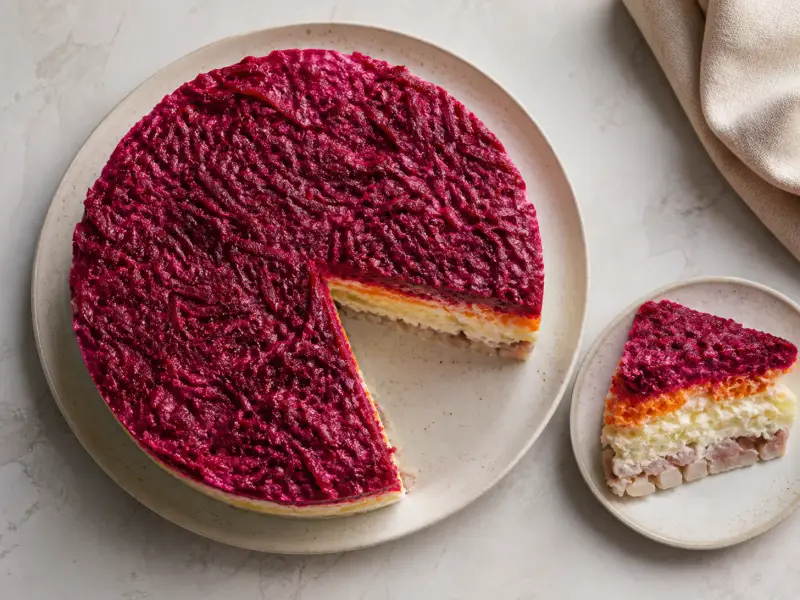 Herring Under a Fur Coat